November / December 2024
In the Name of God, Most Gracious, Most Merciful
By Mrs. Fadia Ali, Quran Studies Teacher
Al-Salamu Alikum Dear Parents, I pray that you all are well Insha’Allah. Here is a summary of your children’s Qur’an work during the previous month.
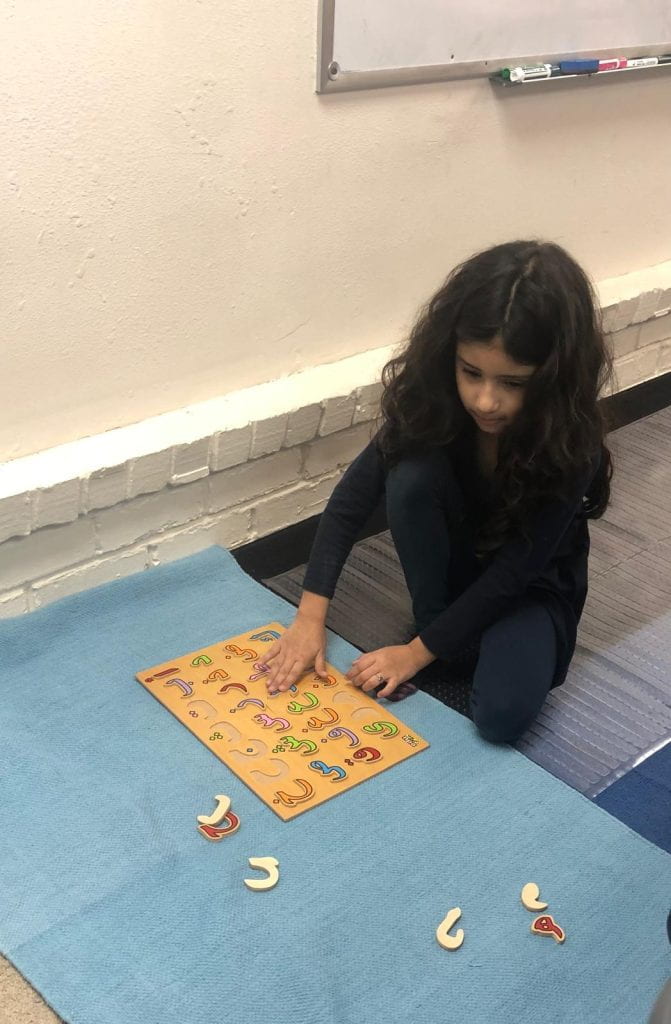
Primary Level One: (Children ages 4 and 5 who joined Quran Studies for the first time this year). Primary Level Two: (Children age 5 and older). In these two Primary levels, we usually focus on the correct phonetics (Makharage) مَخارِج and pronunciation of Arabic letters and words, and on the correct memorization of several small Surahs and Duaa’s. (All Duaa’s are from the Noble Qur’an).
Level One: Children continued to practice Surah Al Fatiha الفاتحة and learned Surah Al Nass النَّاس, they also continued to practice Duaa’ prophet Muses (as). Level Two: Continued to practice Surah Quryish قريش, and they learned Surah Al Maa’oon الماعون and Dua Al Hasanah.
Elementary Group One & Two (Level One Qur’an). Elementary Group Three (Level Two A – Qur’an: Students who finished learning the reading grammars last year). Elementary Group Four (Level Two B -Qur’an). Our main focus at Level Two (Groups Three & Four) is on improving student’s recitation of the Noble Quran. Elementary Groups Five & Six (Level Three Qur’an). Our focus at Level Three (Groups Five & Six) is on reading, on Qur’an vocabulary memorization, and on writing; our goal is to help children learn the most efficient way of Arabic writing, and to help them develop a sense of direction of their Arabic writing (which is the opposite of English writing), and develop a sense of the right size and shape of Arabic written words.
Group One & Two: Students learned the Sokoon and Shaddah vowels while still practicing the small Arabic letters (the connected form of Arabic letters), and the main vowels (Fatteha, Kasra, Dhammah and Tanween). Group Three: Students continued reading the last 4 Juzah of the Noble Quran and they are now at Surah Al Qhamar القمر(reading without repetition). Group Four : Students continued reading first half of the Noble Quran; they are at the end of Surah Al Baqharah البَقَرة سورة and about to start Surah Al Imran آل عمران (reading without repetition). Students also continued practicing Arabic handwriting and learning basic Arabic handwriting rules.
UPPER School
6th grade: Students continued reading the second half of the Noble Quran and they are now at Surah Al Anbiyaa’ سورة الآنبياء, (reading without repetition). The purpose is to improve their reading fluency and improve their Tajweed by applying main Tajweed rules such as (Idghan, Iqhlab and Qalqalah), Gunna and Muddood, Students also reviewed general vocabulary lists such as; family members 1, clothes, and numbers 1 & 2. 8th grade: Students continued reading first half of the Noble Quran and they are now at Surah Al Ana’am الأنعام سورة (reading without repetition). The purpose is to improve their reading fluency and improve their Tajweed by applying main Tajweed rules such as (Idghan, Iqhlab and Qalqalah), Gunna and Muddood, Students also reviewed general vocabulary lists such as; things in the Quran, numbers 1 & 2, and clothes. 10th grade: Students continued learning Arabic grammar and working with the No nonsense Arabic book (Chapters; 9 to 10). Student continued reading first half of the Noble Quran as well and they are now at Surah Al Tawba’ التوبة سورة (reading without repetition) with Tajweed. They also learned a new Arabic vocabulary from the No nonsense Arabic vocabulary book (Chapters; 9 to 11) and reviewed some Quran general vocabulary lists.
I wish you all a relaxing and happy winter break, Insha’Allah.



By Mrs. Fizza Rizvi, Primary 2 Guide
The journey thus far has been nothing short of adventurous. While we’ve encountered some challenging moments along the way, our remarkable students—our great drivers—continue to navigate these hurdles with enthusiasm and determination. Their resilience and excitement to complete this journey inspire us all.
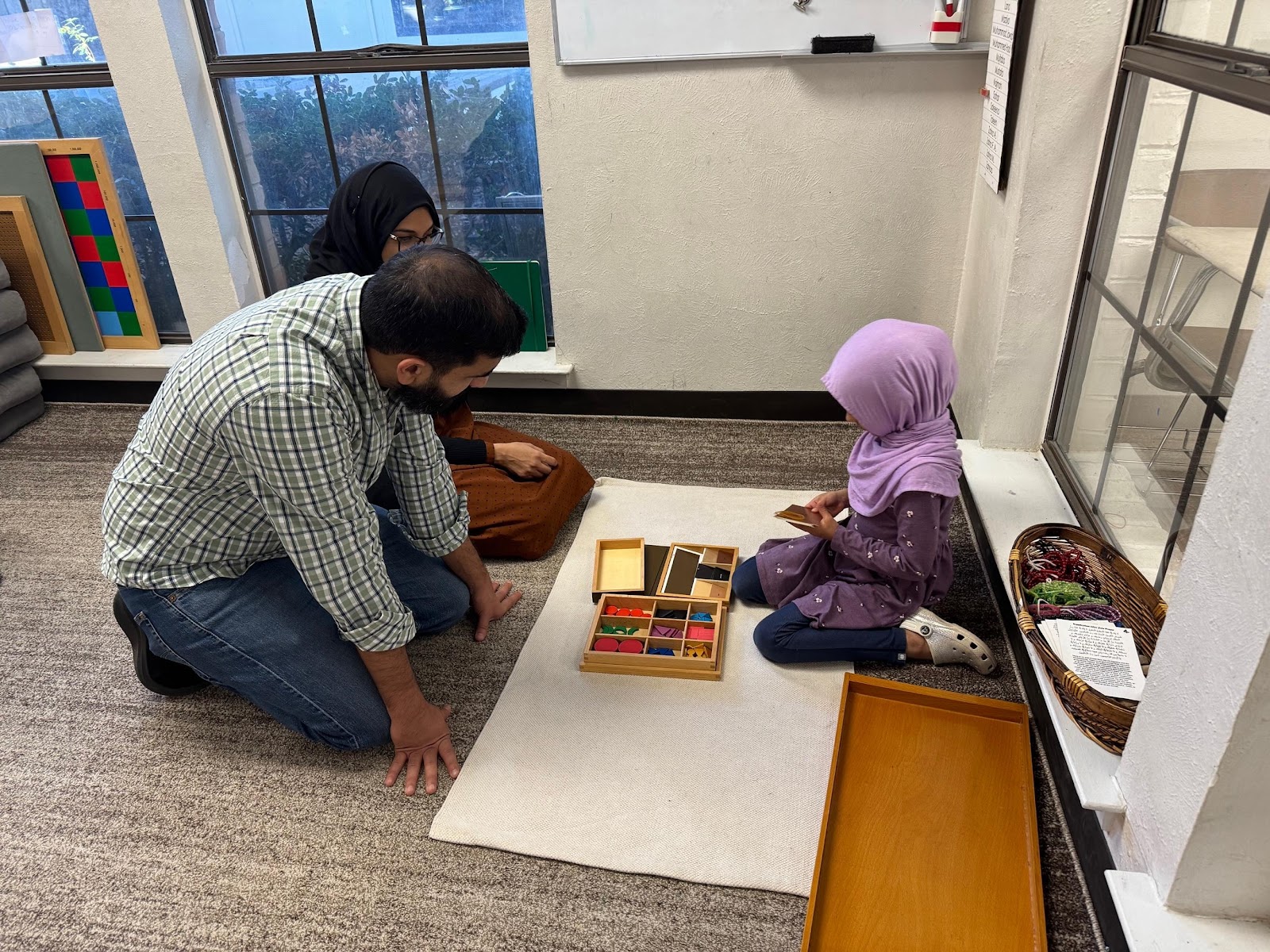
The Practical Life area has emerged as the most trafficked and beloved space in our classroom, attracting not just our young learners but also adults who are drawn to its engaging activities. It is truly enchanting to observe our students as they immerse themselves in these lessons with such precision and genuine interest. They remain busy with a variety of tasks that contribute to their development and the upkeep of our environment. From caring for plants and sweeping floors to vacuuming rugs, washing tables, and crafting beautiful flower arrangements, our friends are continually enhancing the aesthetic appeal of our shared space. As the weather has shifted, we have also begun practicing with dressing frames, including button and zipper frames, which are vital in promoting their independence. We are proud to see them mastering the skills needed to put on their jackets and sweaters by themselves.
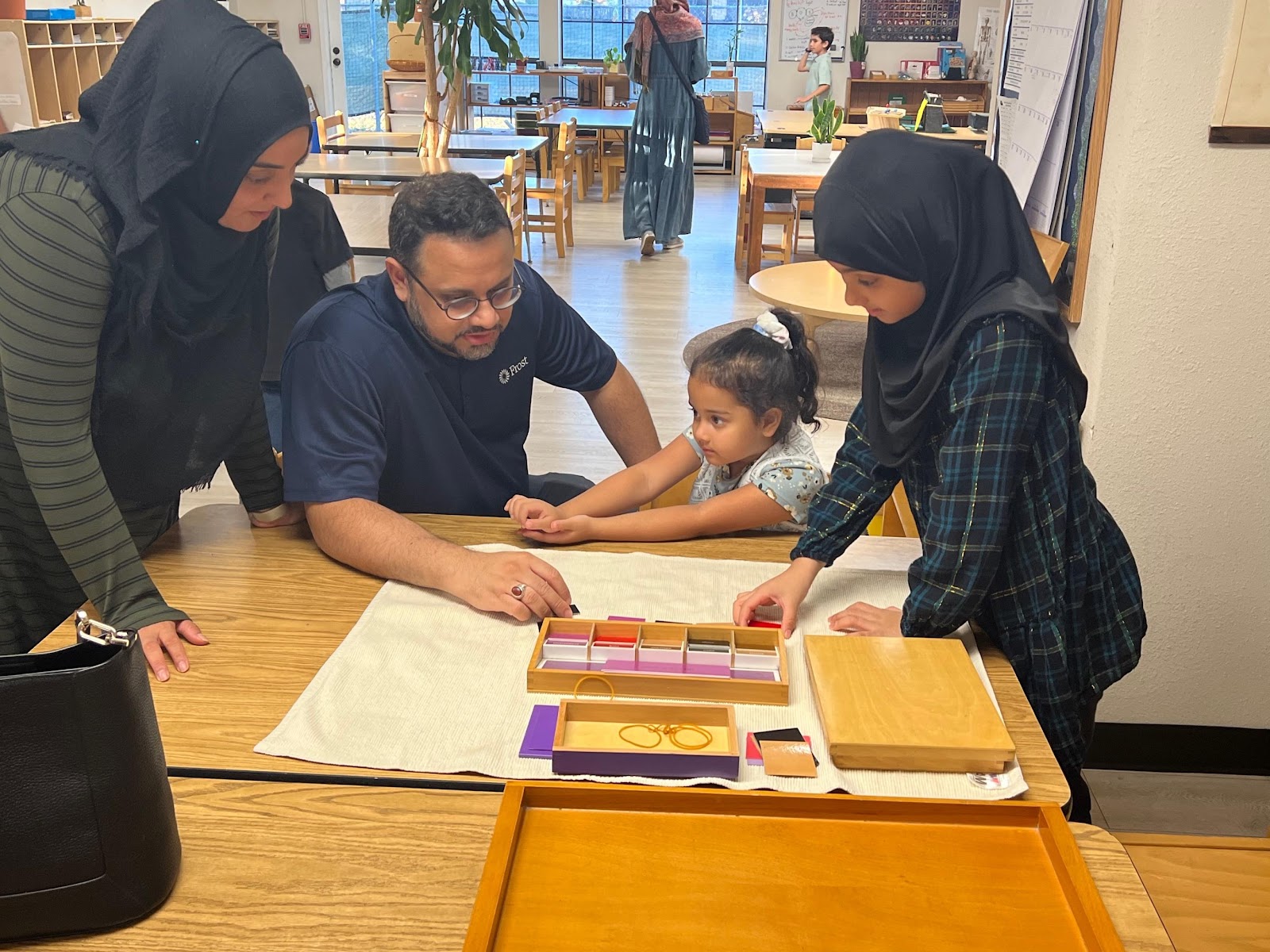
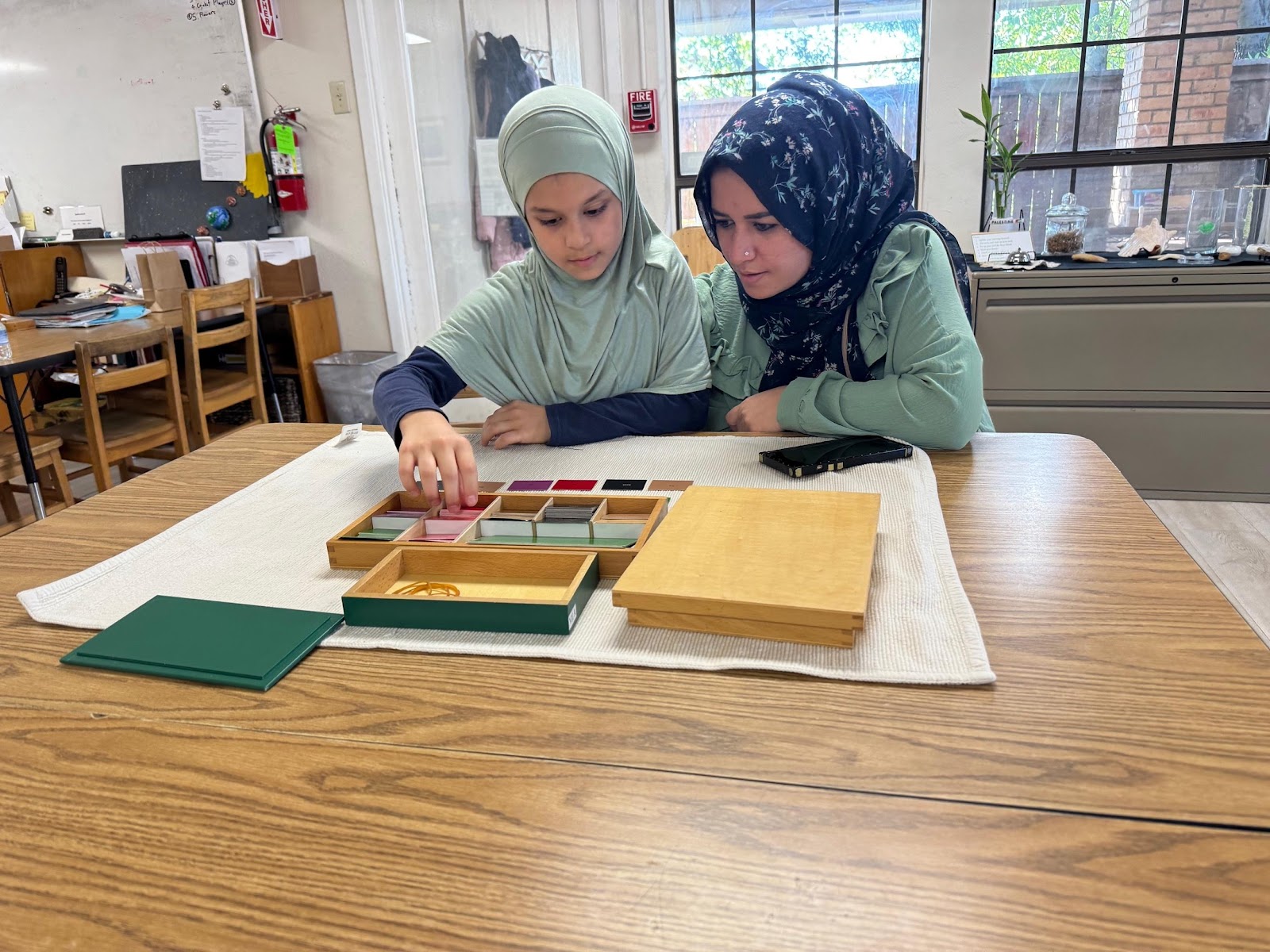
It would be remiss not to highlight the Sensorial area, which plays a crucial role in our students’ development. Each lesson within this area is meticulously designed to foster their sensory exploration and development. The knob cylinders, in particular, have become a favorite among our students, with very few remaining on the shelves; there is almost always someone engrossed in mastering this fantastic material that specifically enhances hand-eye coordination. Witnessing them practice and become adept at these lessons brings immense joy, as it demonstrates their growth and accomplishment. They thoroughly enjoy working with various materials, including the rough and smooth boards, color tablets, the pink tower, and the brown stairs, to name just a few.
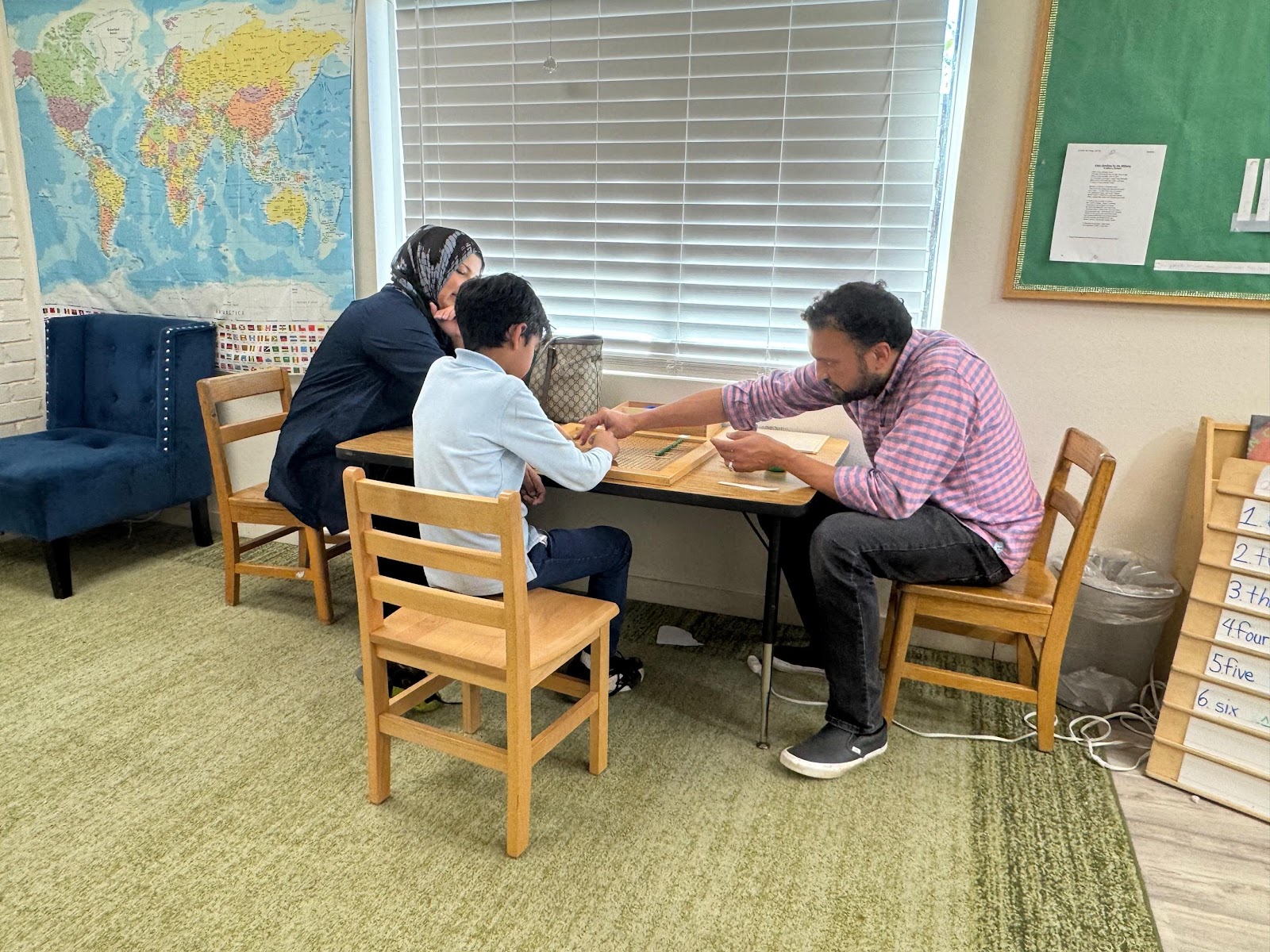
Our Language and Math areas may not attract as much attention as the Practical Life and Sensorial areas, but when our older students engage with materials from these sections, they dive in wholeheartedly. I cherish the moment they complete a lesson and the spark of accomplishment ignites in their eyes—it’s a sight to behold! Our younger friends are exploring phonetics and connecting sounds with tangible materials, while our older students have begun writing practice in their journals. In Math, there is a noticeable preference for working with the teens and tens boards, as many of them find these materials more engaging than the bead cabinet.
In conclusion, I must admit that this overview barely scratches the surface of the rich experiences our friends encounter daily. The details I’ve shared here are mere highlights; in reality, our students are engaged in a multitude of activities that foster both their individual growth and a sense of community within our classroom.
By Tasneem Mamdani, Primary Guide
Dearest Parents,
Salāmun ʿAlaykum, May Allah bless you and your families. As we reflect on the end of the first semester, we are truly grateful to Almighty Allah for His countless blessings and guidance. This semester has been a rewarding journey filled with growth, learning, and shared experiences. Thank you for attending the recent Parent-Teacher Conferences and for your continued partnership in supporting your child’s progress.
Language:
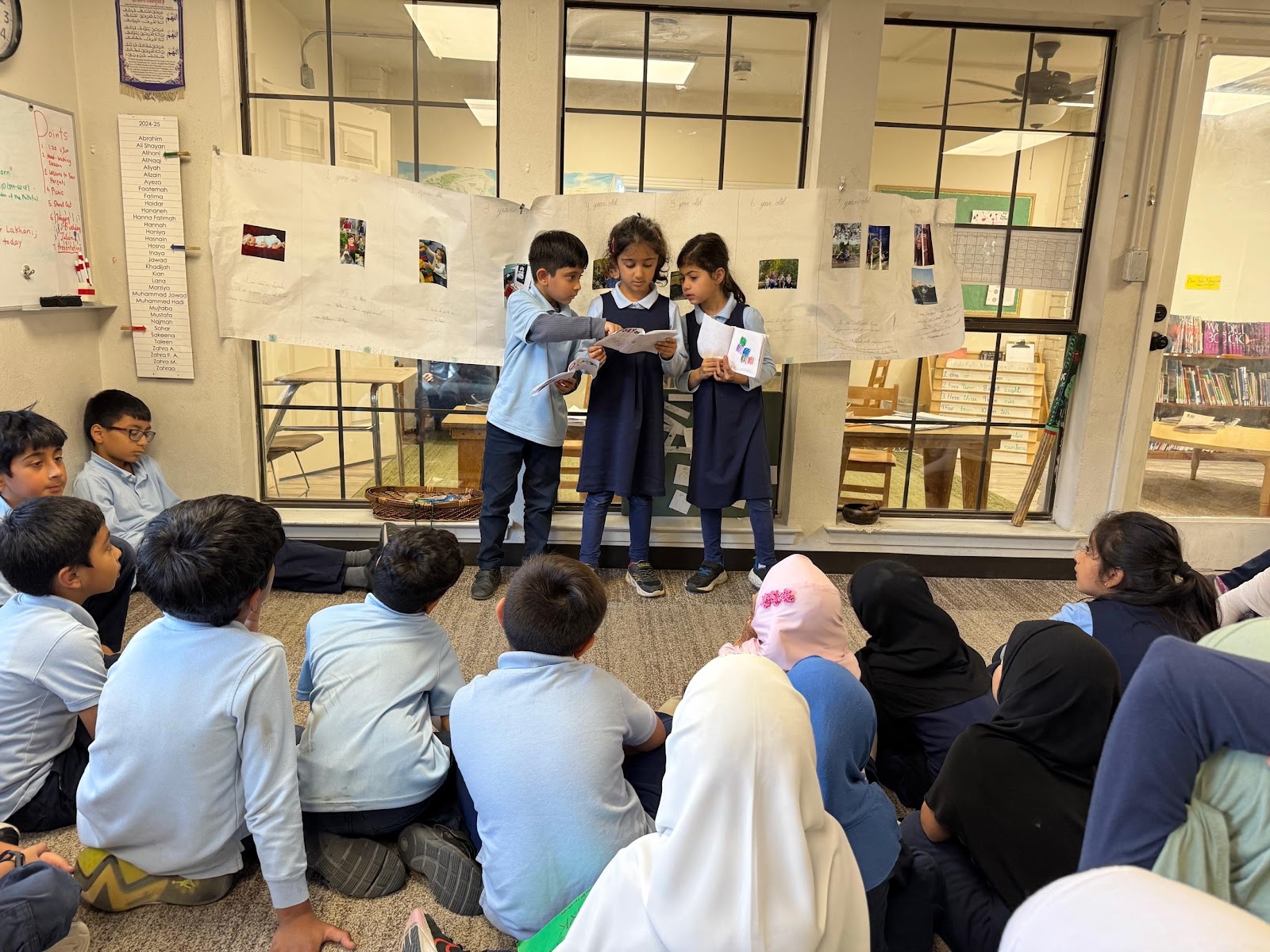
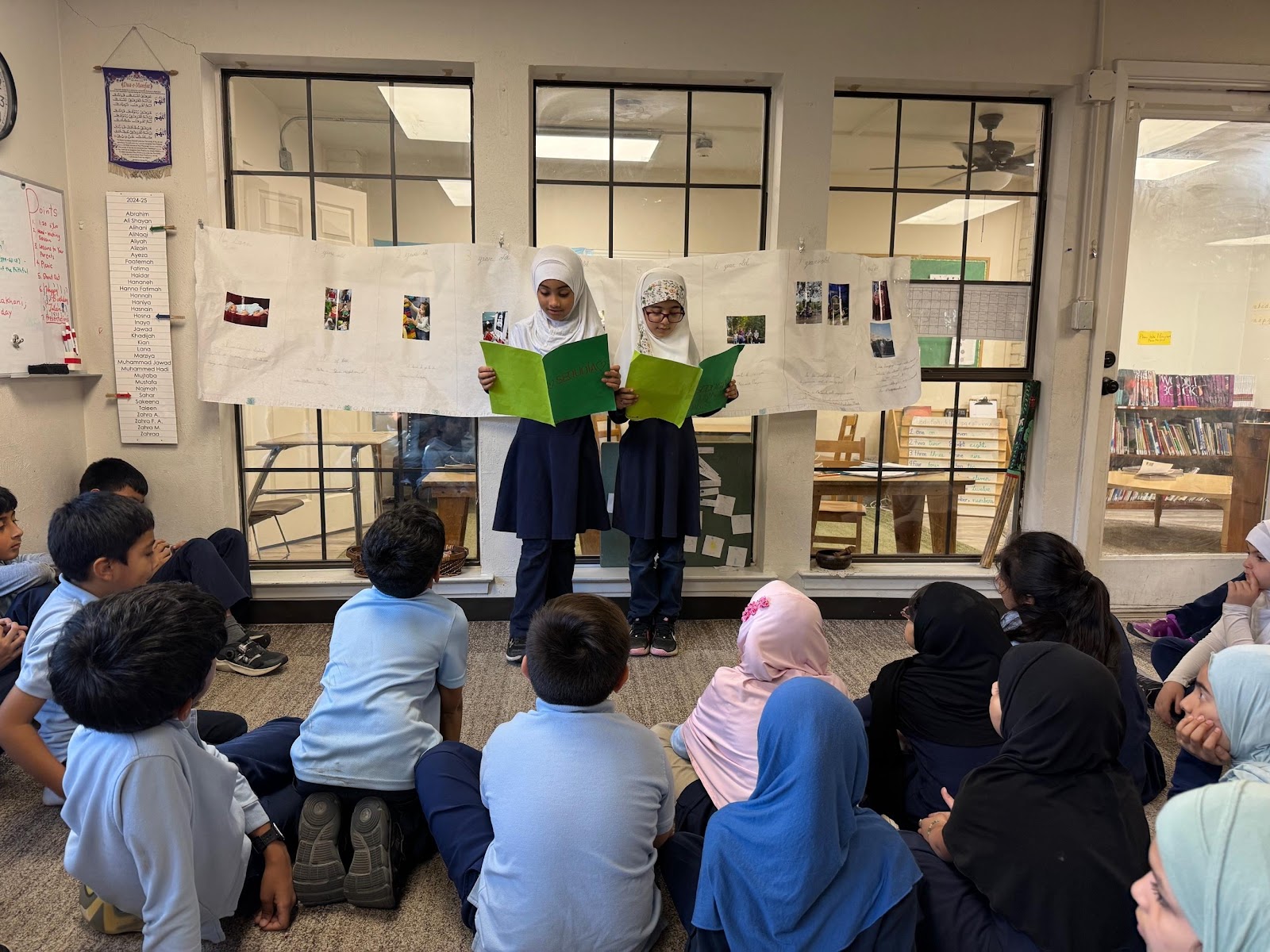
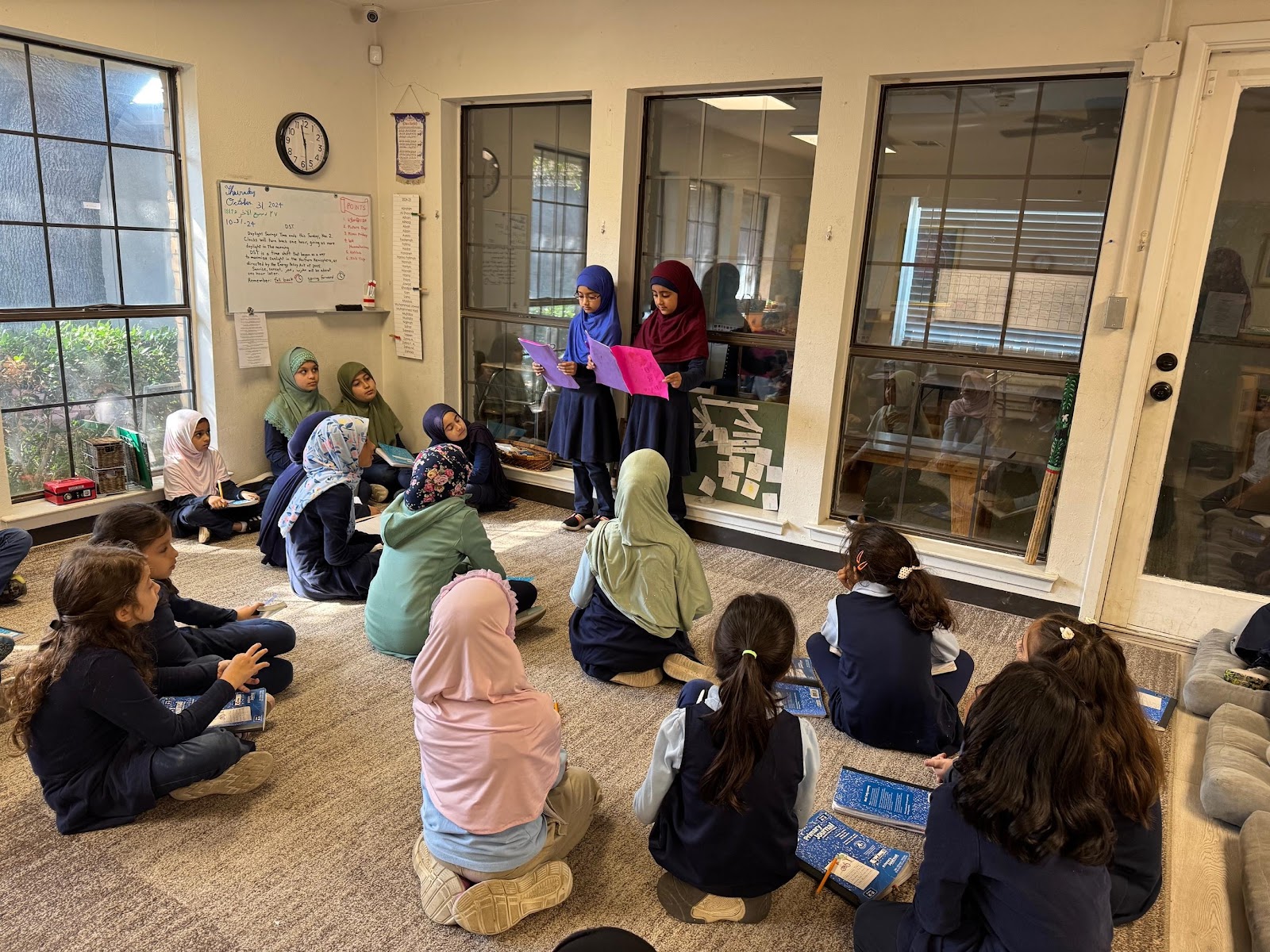
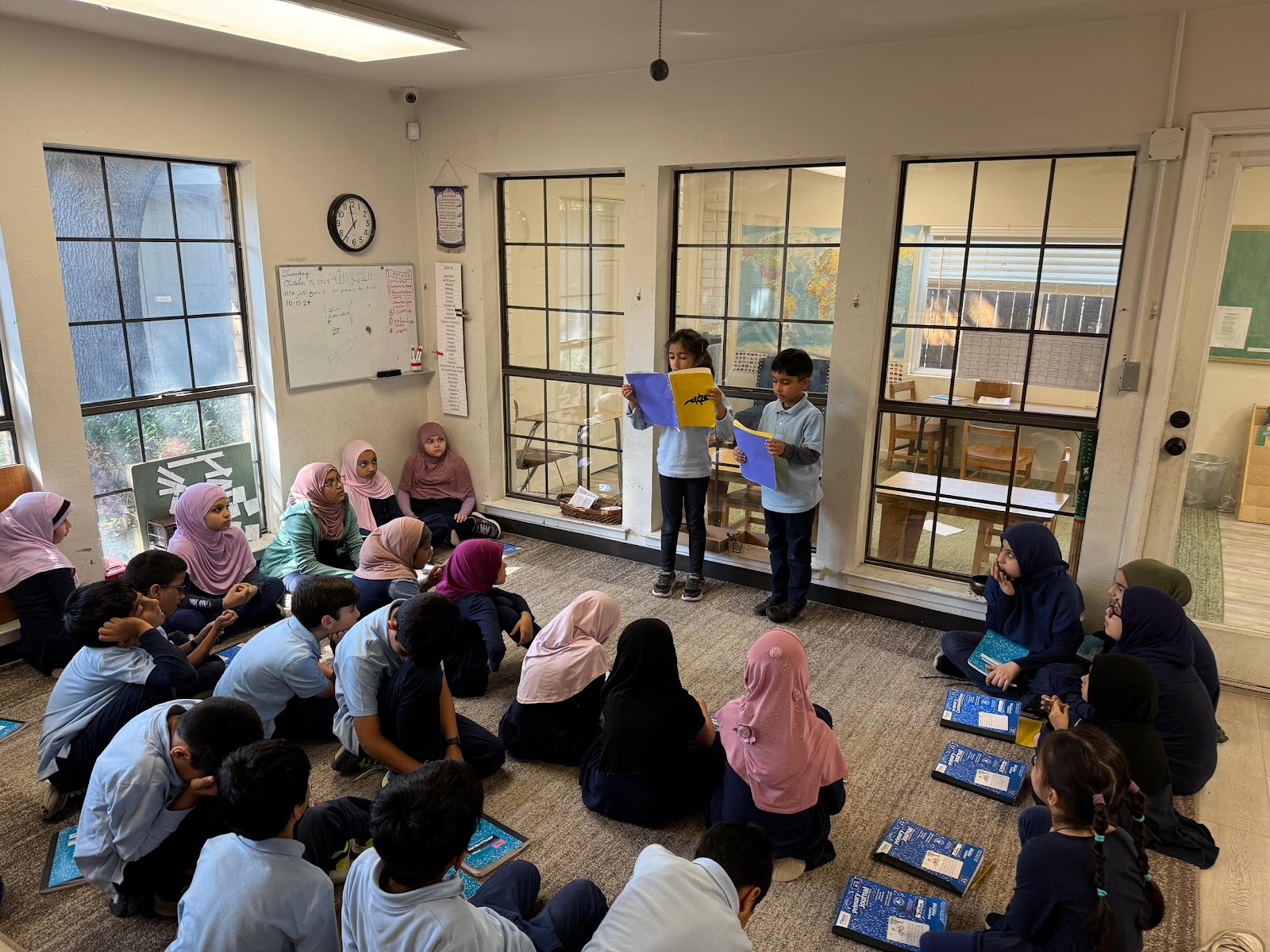
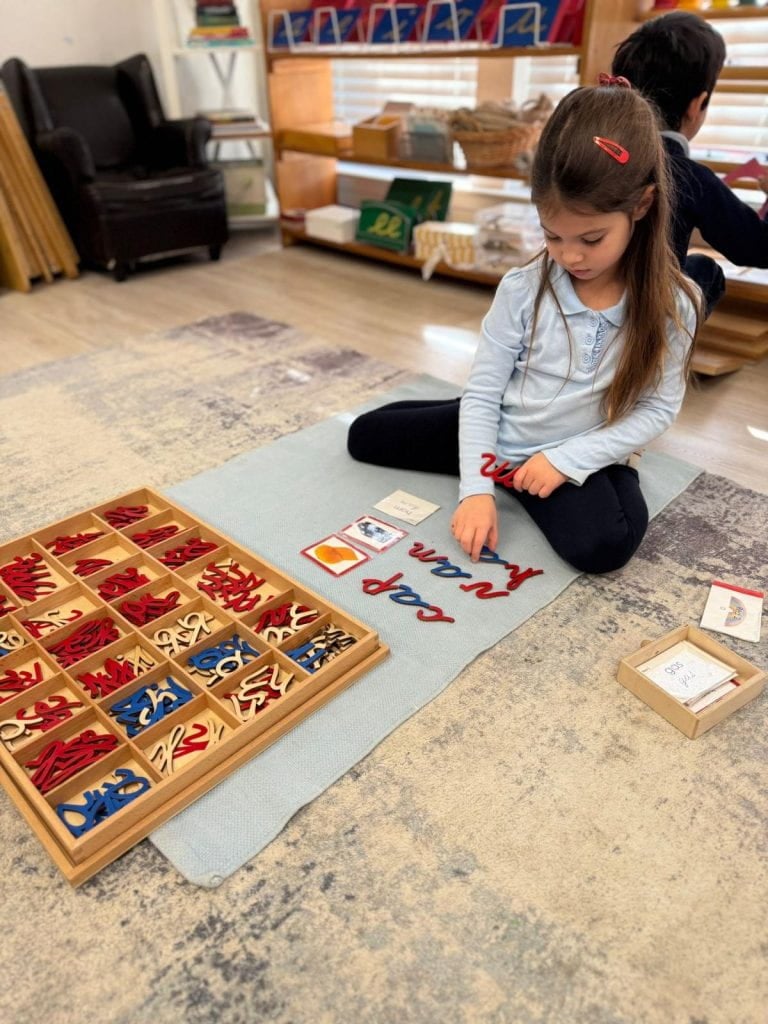
We have focused on reinforcing phonetic sounds for all levels of readers. Younger students have been practicing blending sounds and building three-letter words such as cat, mat, and tap, strengthening their pre-reading and phonics skills. Older students have proudly written and shared their own phonetically spelled stories in their writing journals. Sharing these stories with peers has enhanced their confidence and communication skills, laying a strong foundation for future literacy success.
Practical Life:
New additions to the Practical Life area, such as coffee grinding, lacing cards, and sewing cards, have been a big hit with the students. Coffee grinding has been particularly popular, with many children enthusiastically claiming they are making coffee for their dads for Father’s Day! This activity develops concentration, wrist strength, and perseverance, with the added sensory reward of the delightful aroma of freshly ground coffee.
Similarly, sewing cards have enhanced fine motor skills, improved hand-eye coordination, and nurtured independence—skills that prepare children for more advanced tasks like writing.
Students have also been refining their self-care skills, such as switching to their “inside” shoes and hanging their coats upon arrival. Learning to zip their jackets has been an important milestone in their journey toward independence. We kindly ask parents to check their child’s coat zippers to ensure they are easy to use, as difficult zippers can be frustrating for children eager to become self-sufficient.
Sensorial:
In the Sensorial area, students explored shapes using constructive triangles and built complex structures with the Pink Tower and Brown Stairs. Activities like creating mazes with the Red Rods not only refined spatial awareness but also fostered collaboration and problem-solving skills when completed with peers.
Cultural and Science:
Our young learners explored various cultural and scientific topics, such as the parts of trees and leaves, animal adaptations during winter, and how animals migrate, hibernate, or adapt to survive the cold. Students asked curious questions: Does their fur change color in winter? Where do animals live when it’s cold? Books and discussions about winter survival brought these concepts to life.
Older students delved into puzzle map work, learning about continents and countries. They extended their learning by drawing flags and studying landmarks and animals unique to different regions. These hands-on activities nurtured a deeper understanding of the world.
Math:
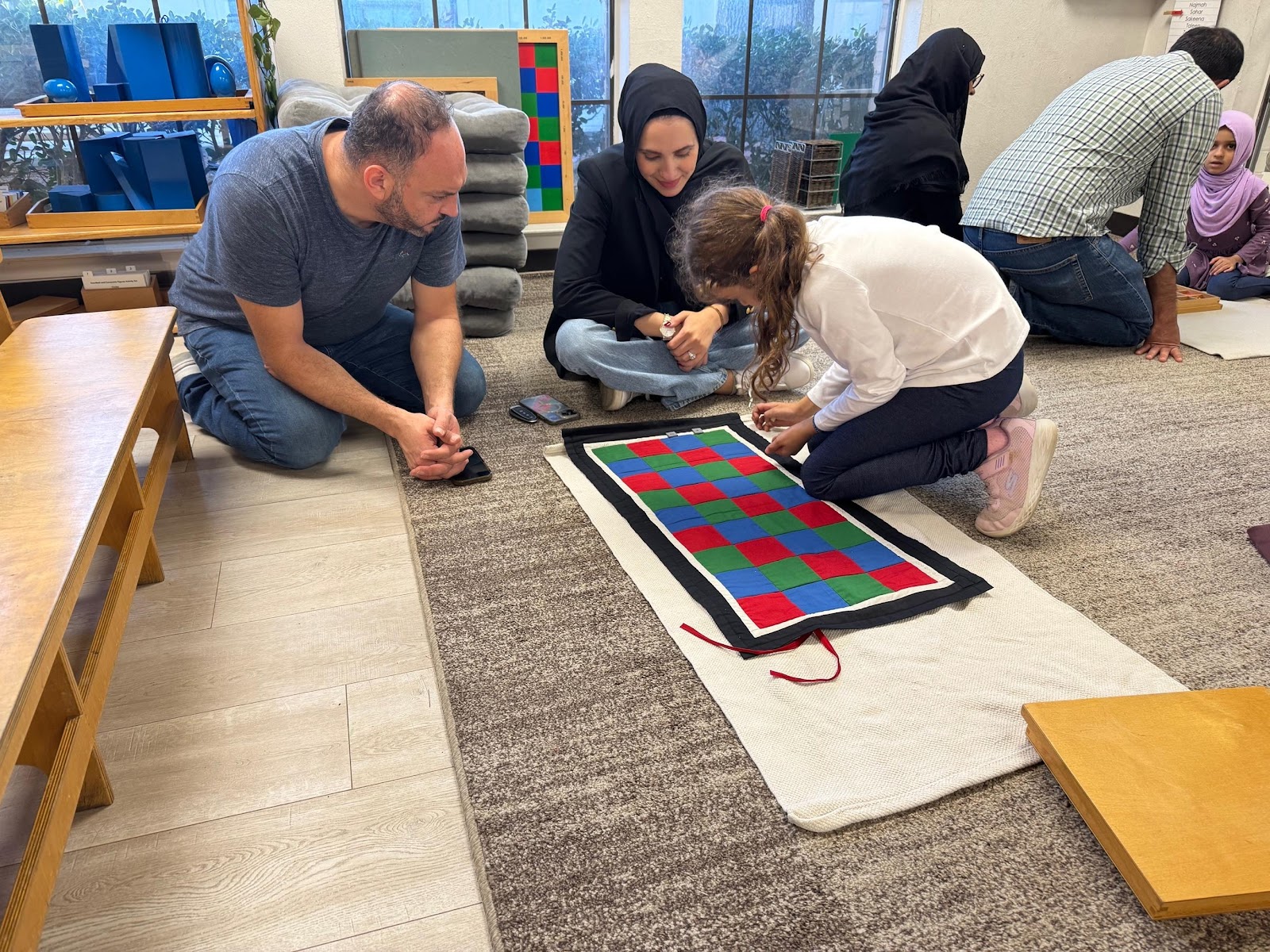
Much progress has been seen in the Math area. Younger students have gained confidence in recognizing numbers 0–9, while others have mastered teen and tens numbers or worked on odd and even numbers. Some students have progressed to building four-digit numbers and exploring addition and subtraction concepts.
One of the beauties of the Montessori classroom is that children are free to follow their interests. After weeks of focused concentration in math, some students shifted their attention to the Science area, creating “Parts of…” booklets on various topics. This environment encourages deep, self-directed exploration, ensuring that every wave of interest is meaningful and rewarding.
Islamic Studies:
Our mornings begin with the recitation of a sūrah from the Qurʾān, followed by Duʿā al-Marāfah with its translation, and a salutation to the Imam of our time (ʿAJTF).
We discussed how Allah sent the Qurʾān and explored the importance of wilāyah through the example of Sayyidah Fāṭimah (ʿA.S). The students were especially amazed when we shared the story of Prophet Sulaymān (ʿA.S) and the miracle of how he could communicate with animals and understand their conversations. Their eyes lit up with wonder as they absorbed this incredible story.
In fiqh, we focused on the importance of cleanliness and the conditions of ṭahārah before ṣalāh. We also learned about the qiblah.
To commemorate the martyrdom of Lady Fāṭimah al-Zahrāʾ (ʿA.S), the Primary students organized an event in their environment. They recited the Qurʾān, shared poetry, and performed a heartfelt tribute. It was heartwarming to witness their love and sincerity in honoring her memory. Our goal is to nurture a love for the Ahl al-Bayt (ʿA.S) in our students’ hearts by sharing stories that inspire them to emulate these noble personalities as role models.
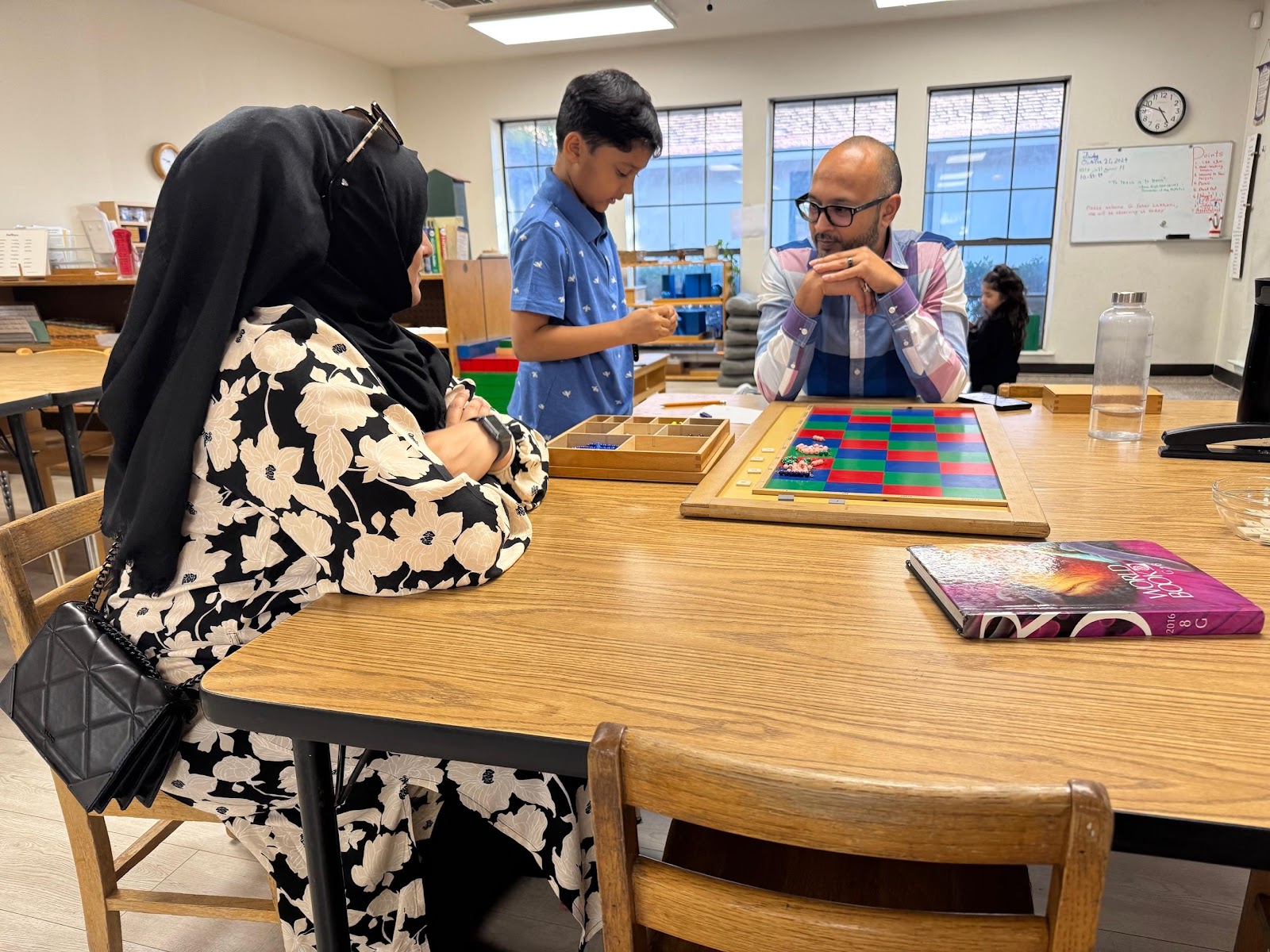
We are incredibly thankful for your unwavering support this semester. Your involvement in activities like Parent Lesson Night, Cup of Wisdom, and conferences has been invaluable to both the children and our classroom community. We pray to Allah for a safe and enjoyable winter break for all and look forward to welcoming everyone back in the New Year, ready for another exciting semester of growth and discovery, inshāʾAllah. Warm regards.








By Ms. Hind Sabir, Elementary Guide
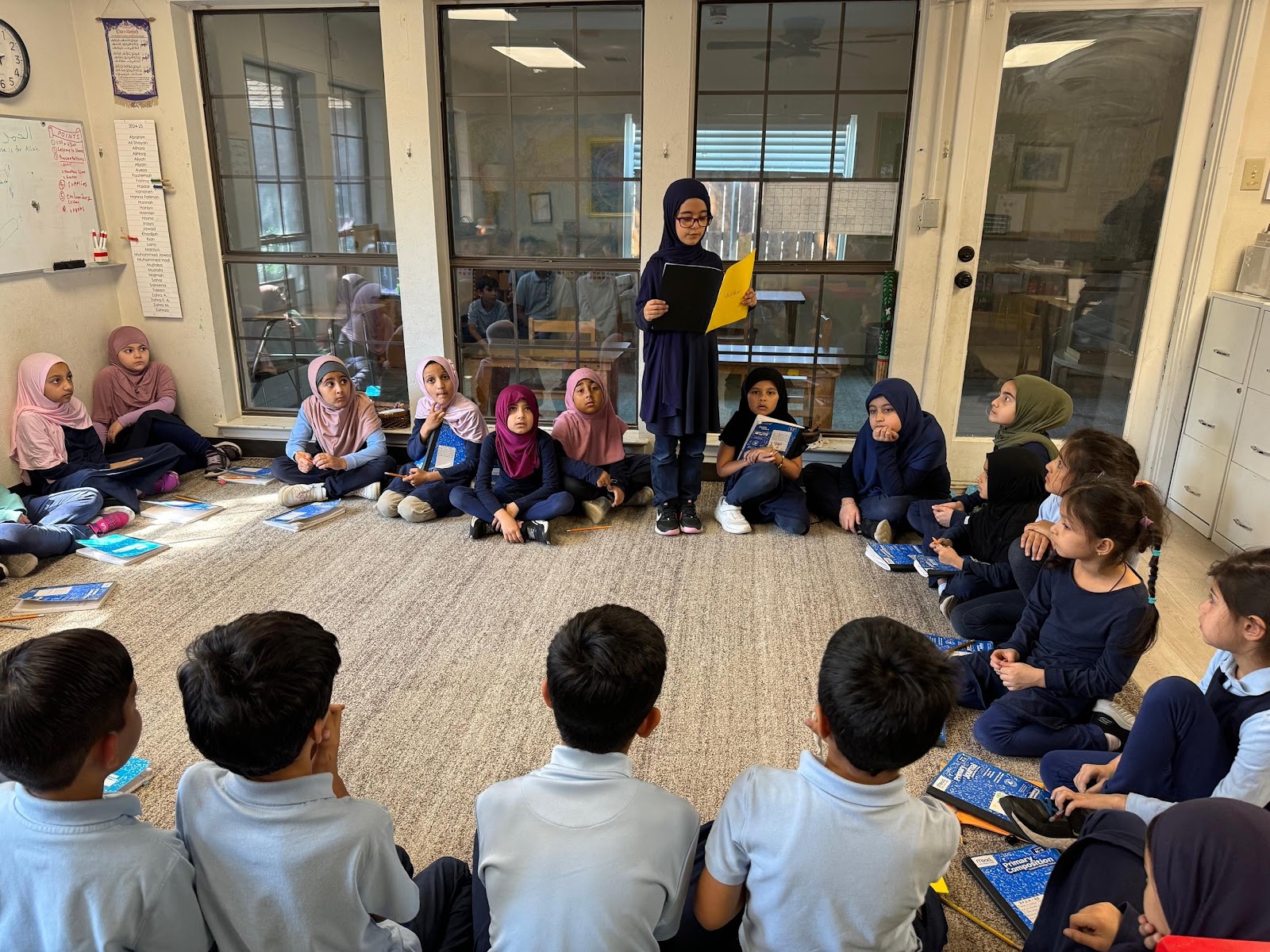
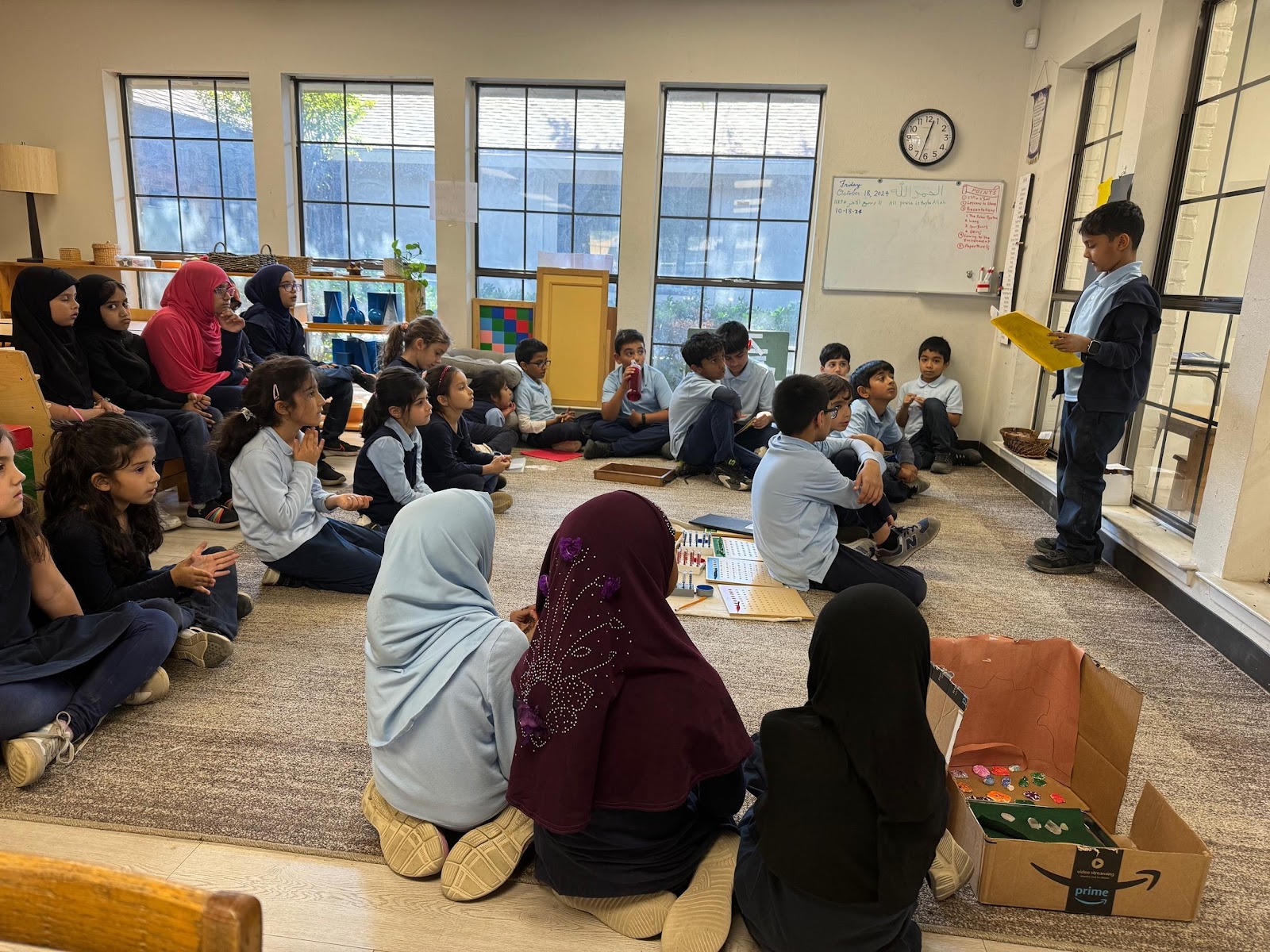
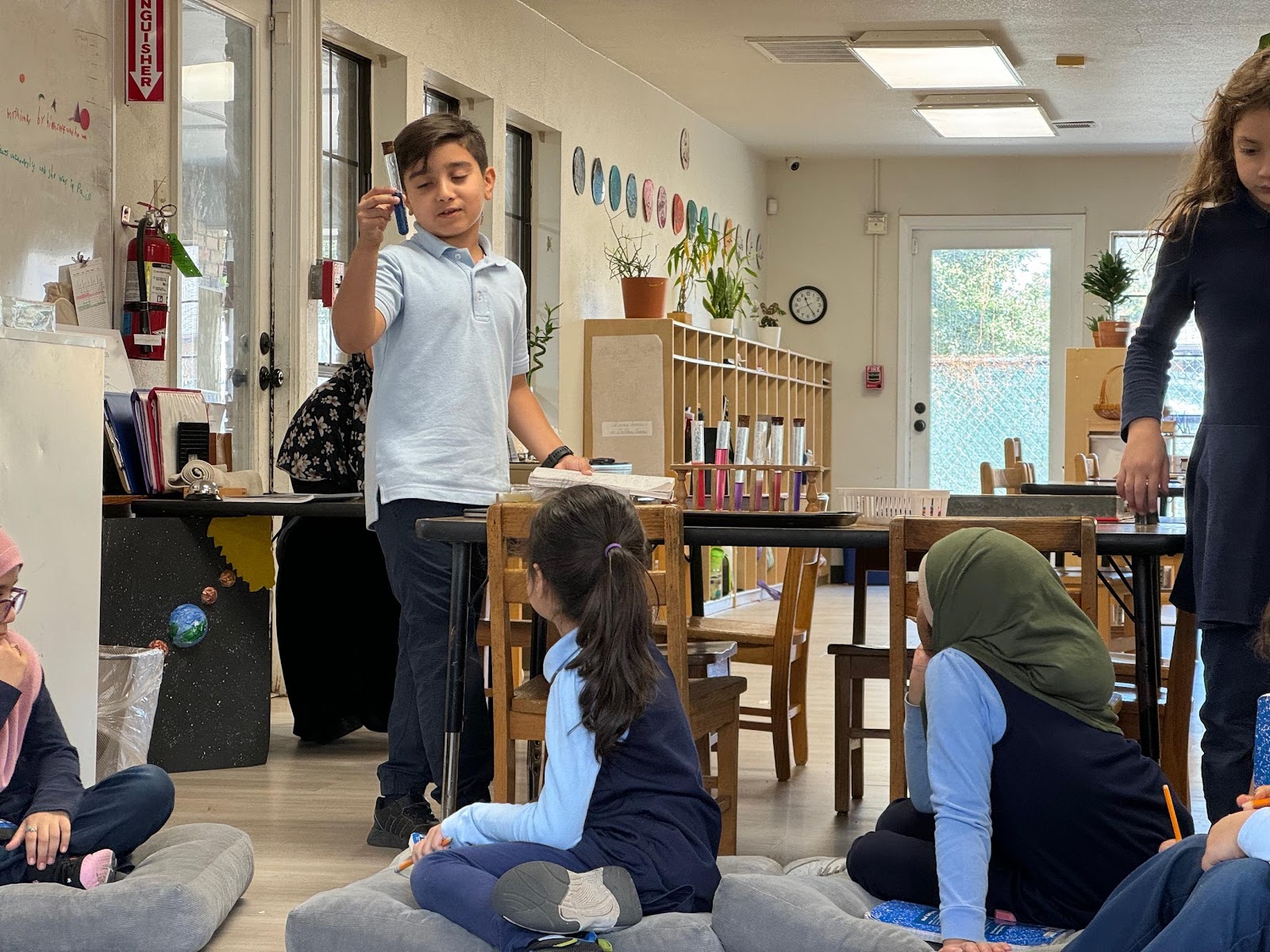
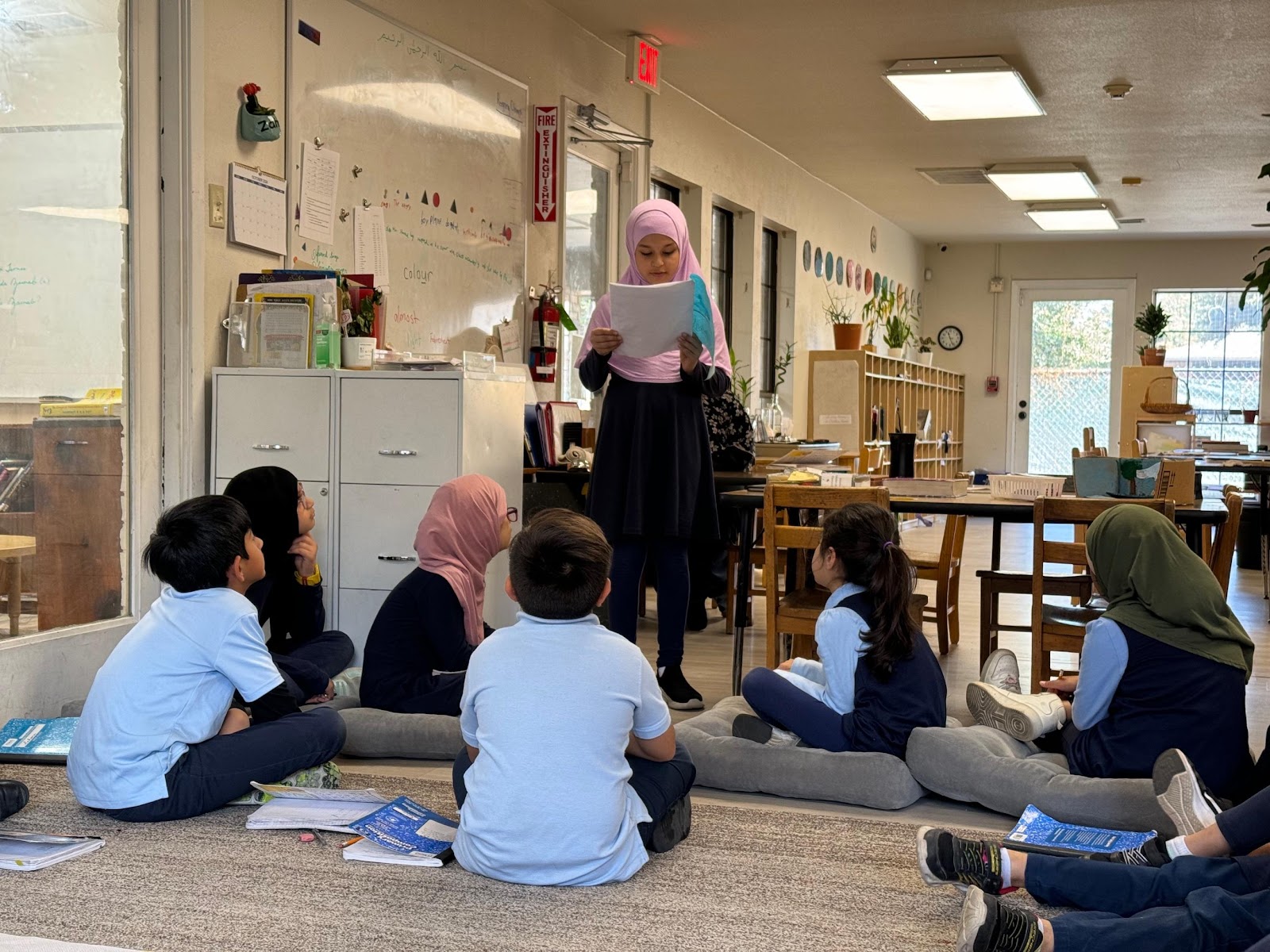
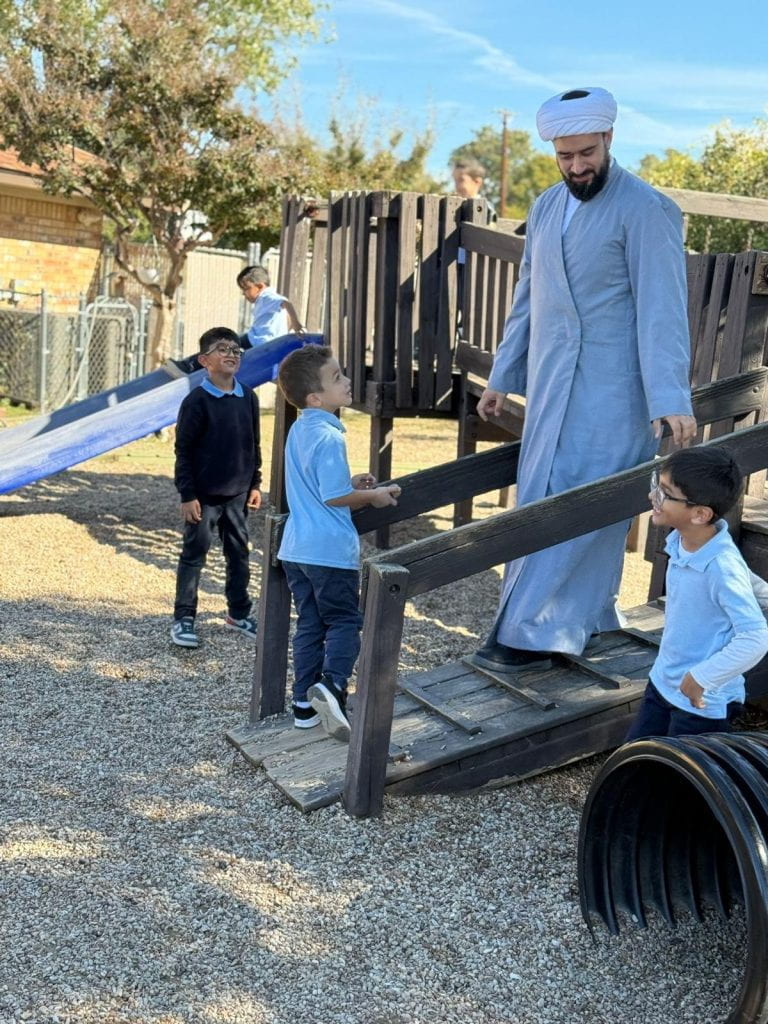
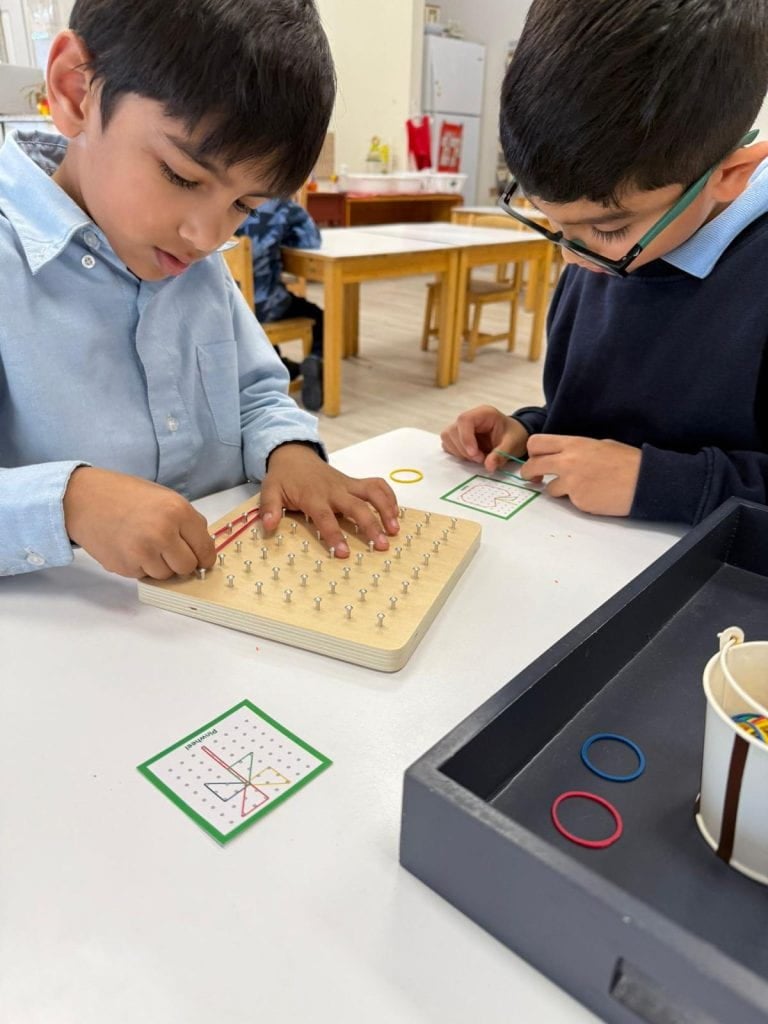
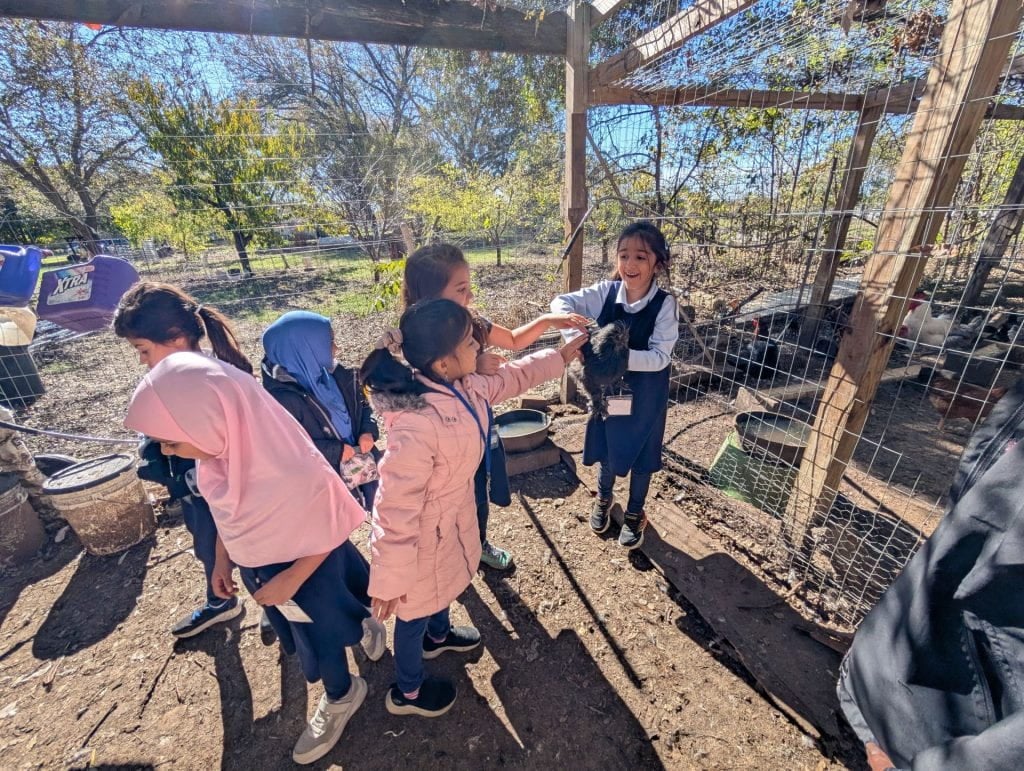
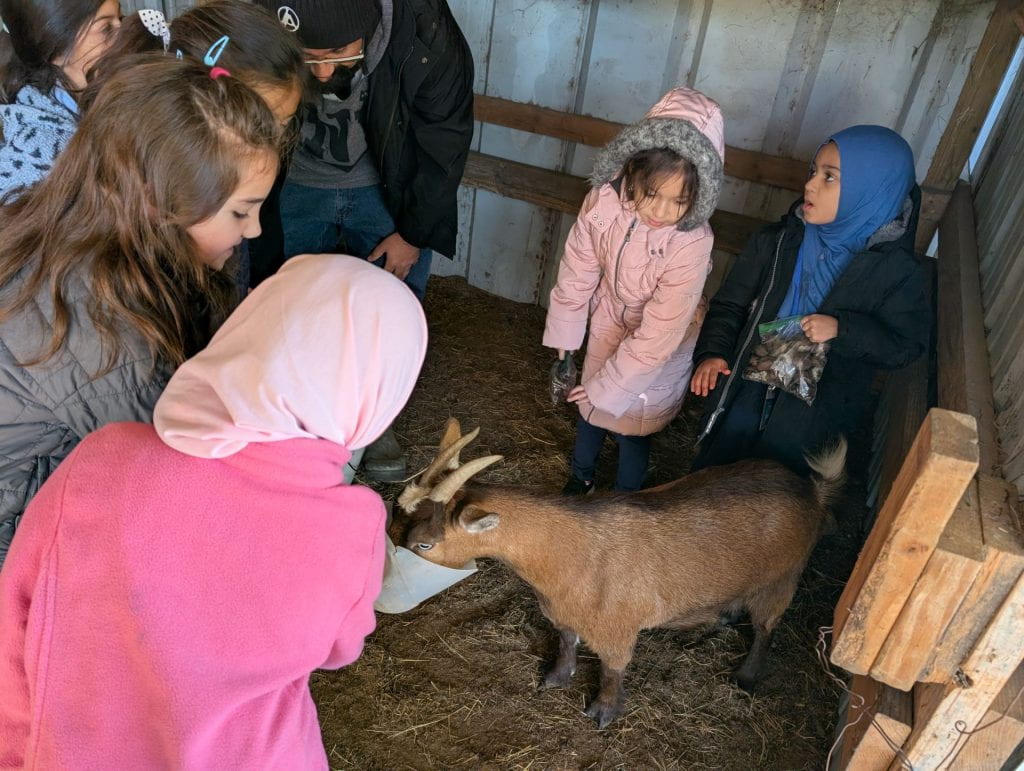
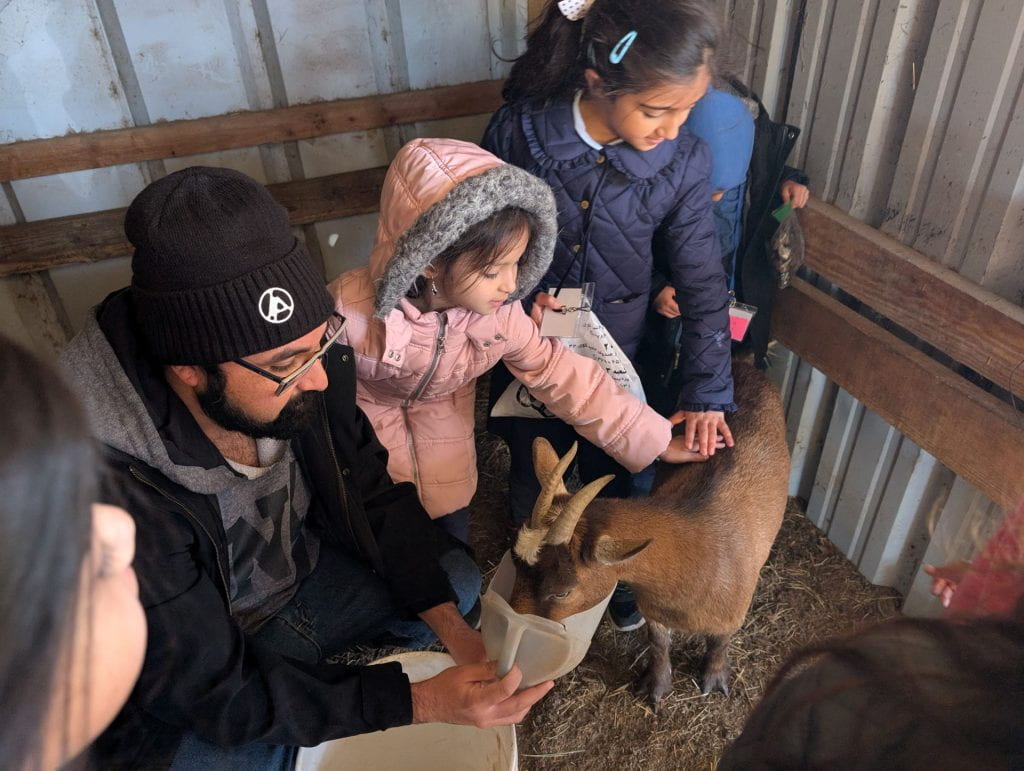
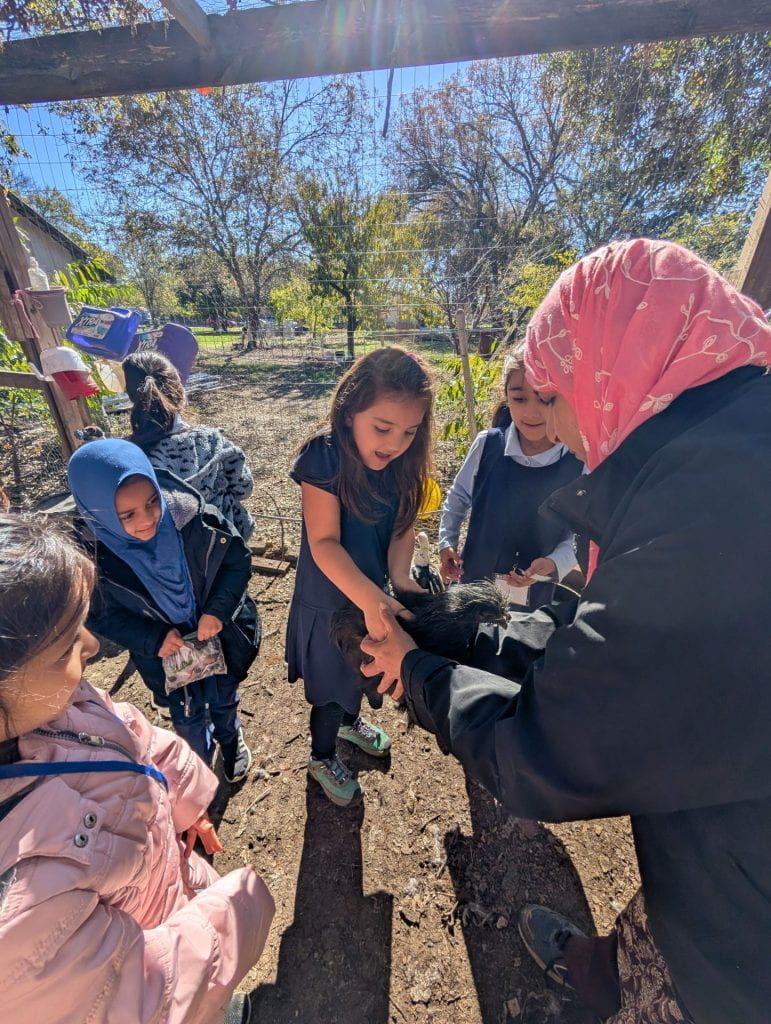
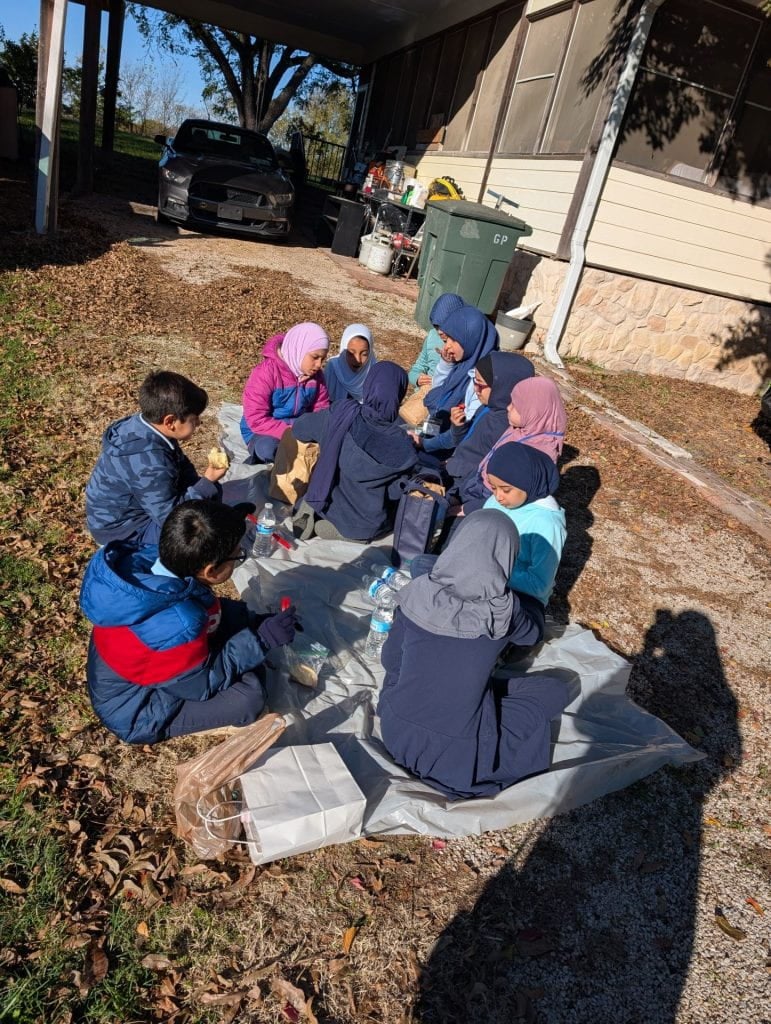
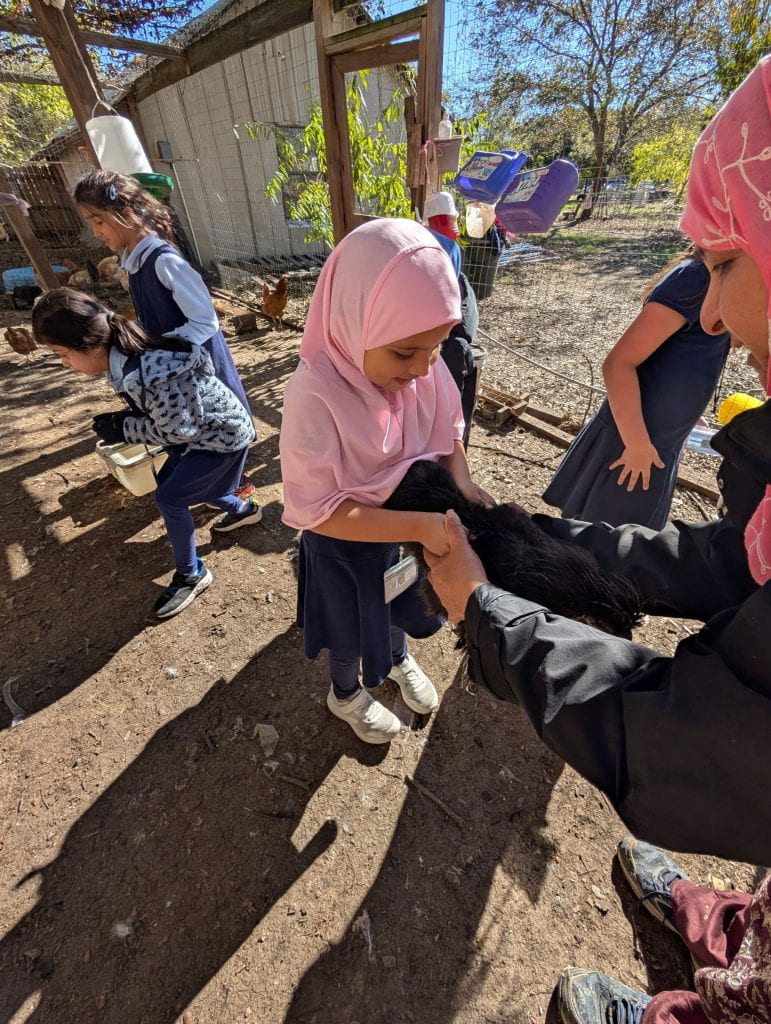
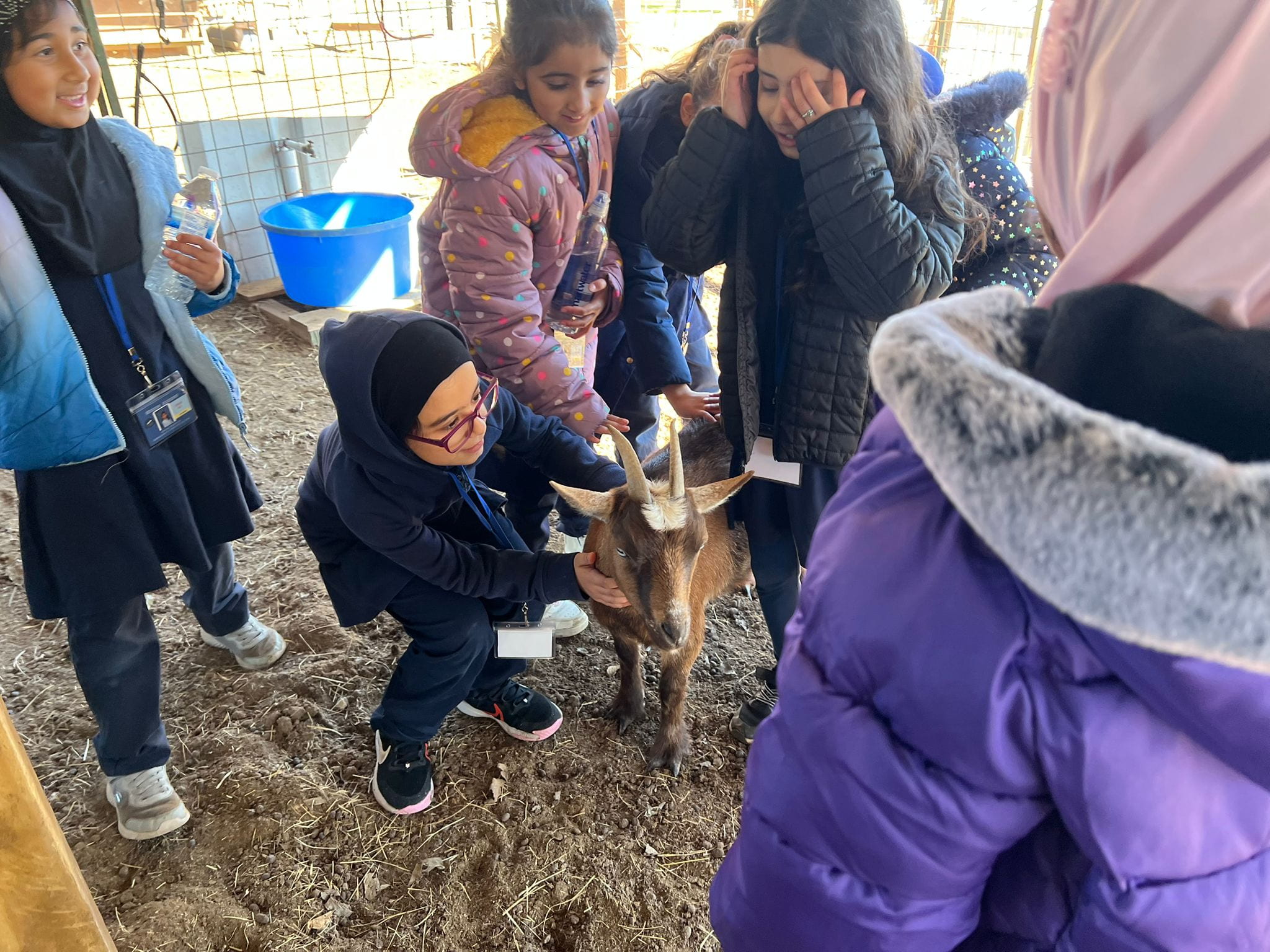
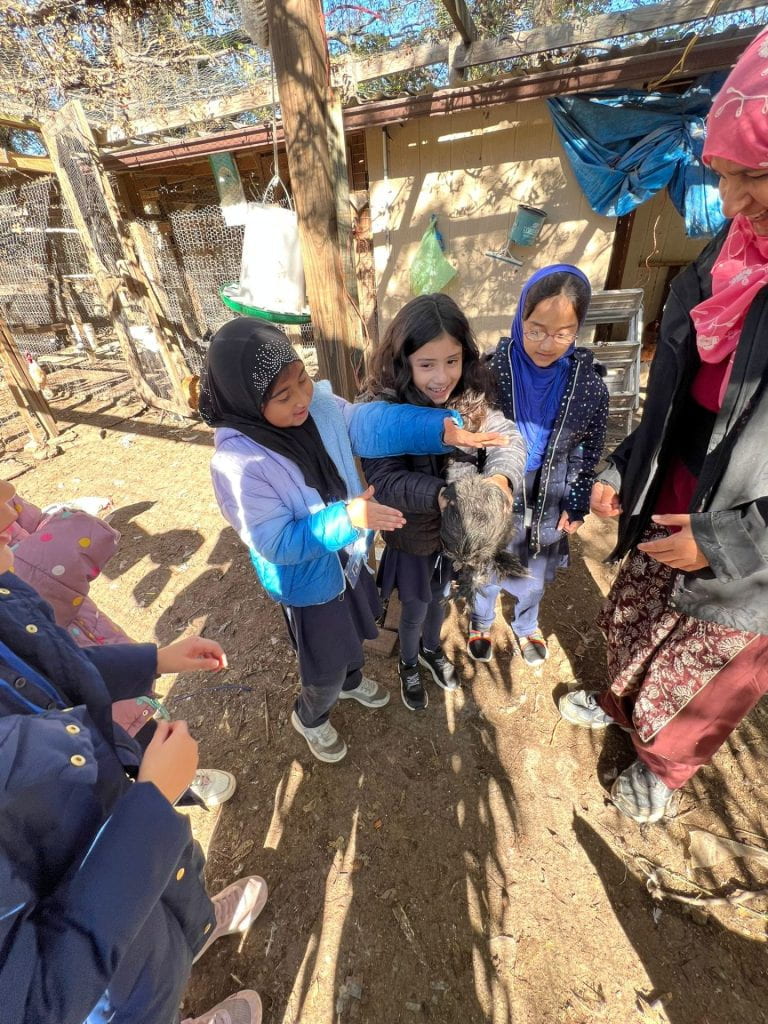
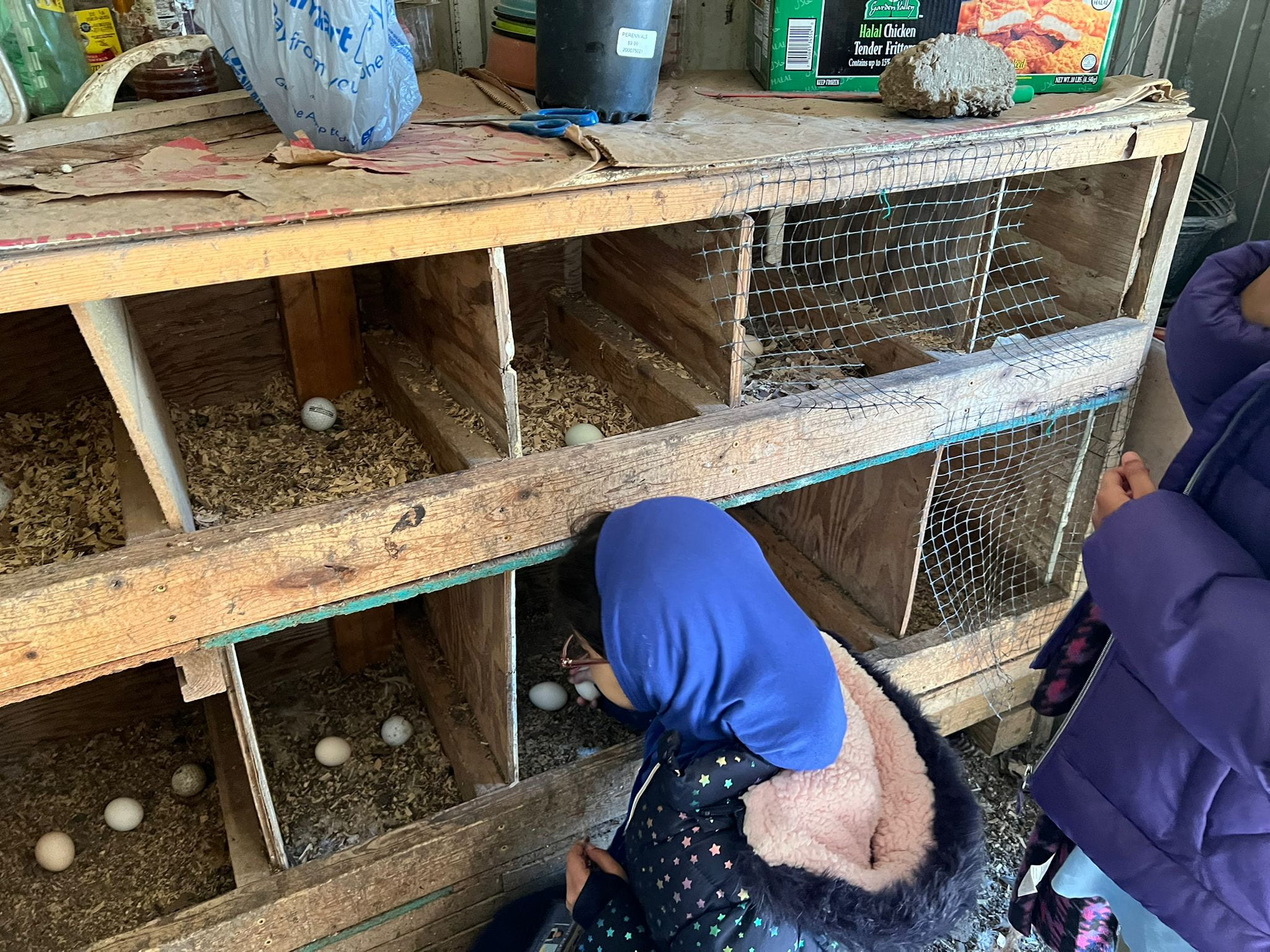
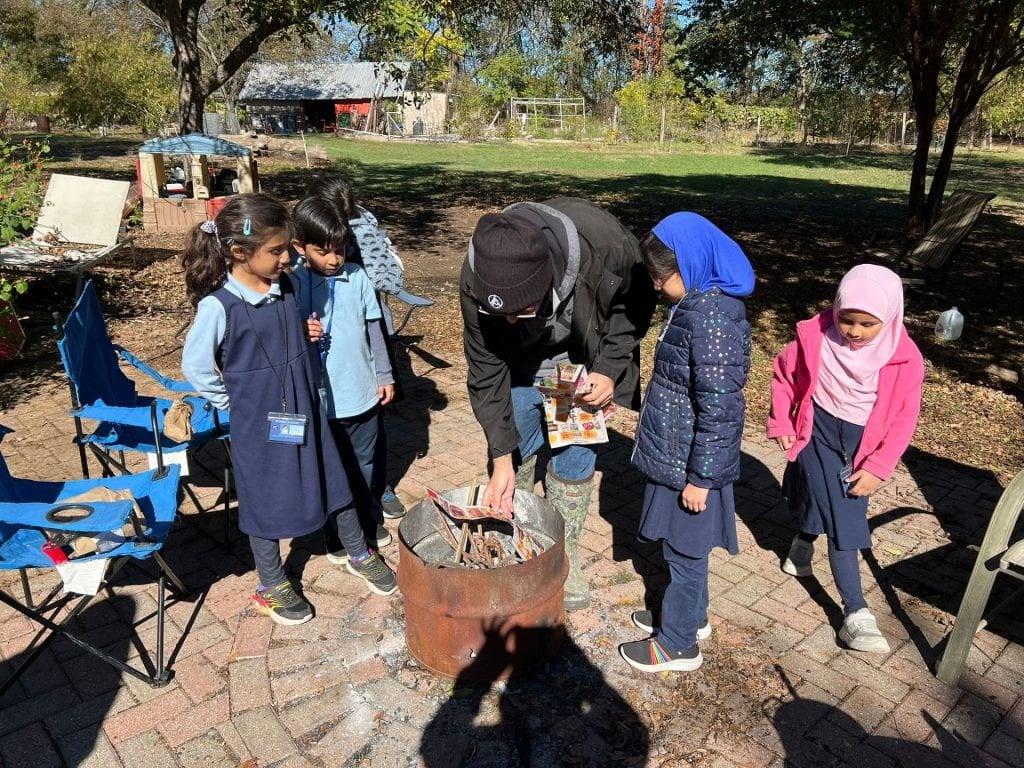
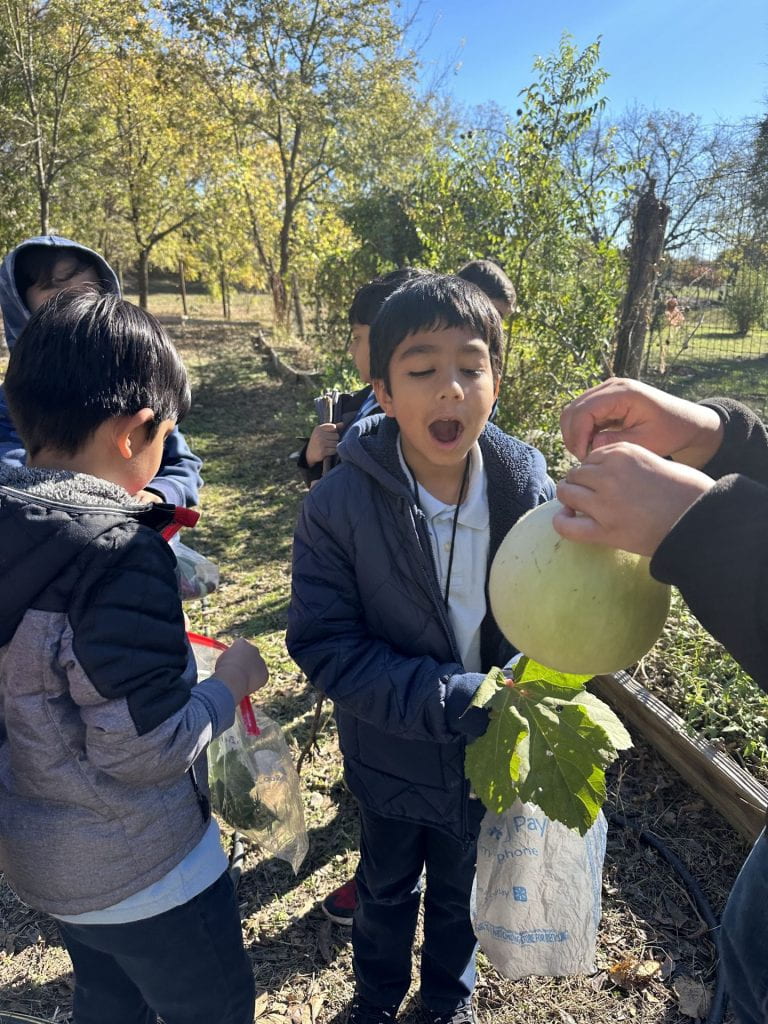
Elementary had a thrilling past few months from inside and outside the classroom!














By Mrs. Batool Kamar, Upper School Math Teacher
Grade 6 students started studying ratios. They learned comparing quantities using ratios and used ratio language to describe relationship between two quantities, simplified ratios to obtain equivalent ratios. Students studied the relation between ratios and fractions, and apply ratio relationships to solve real-world problems. As part of this topic, students participated in project “I Spy Ratios” where each student created their own poster with hidden ratios, and had a great time guessing these ratios with their classmates. Then they moved on to learn about rates and average; they used average reasoning, and expressed one quantity per unit of another quantity to find unit rates to solve real-world problems


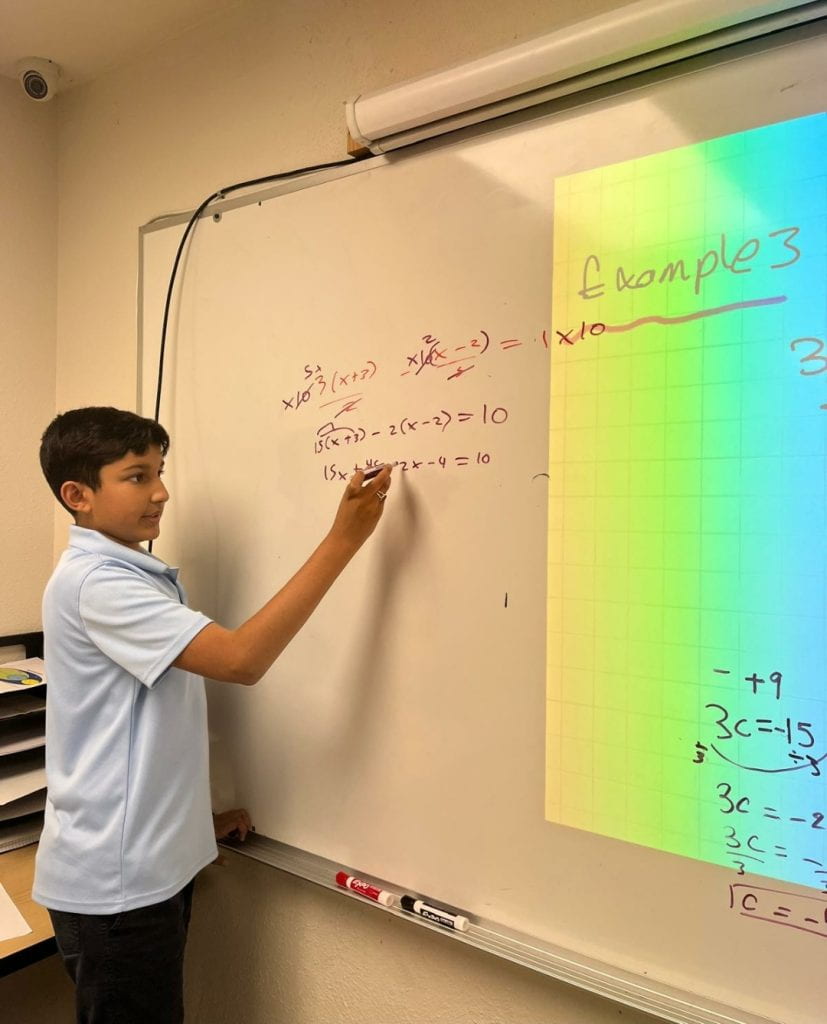
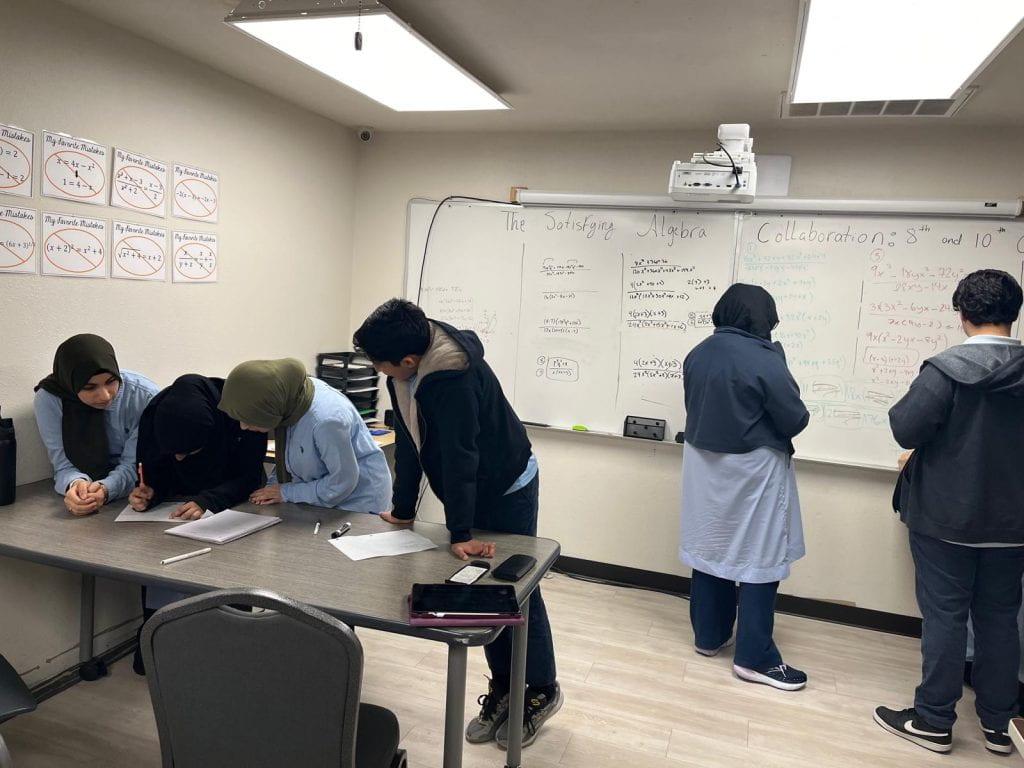
Grade 8 students had an eventful month strengthening their knowledge in algebra, specifically algebraic fractions. They learned and practiced how to express an algebraic fraction in its simplest form using all the factorization methods they learned previously, add, subtract, multiply, and divide rational expressions. This knowledge laid the foundation for solving fractional equations by transformation them to quadratic or linear equations. Students solved everyday problems involving algebraic fractions to consolidate their understanding and apply it. As a part of studying fractional algebraic expressions , a collaboration between 10th graders and 8th graders took place, where each class created their own expression and the other class had to simplify it meticulously, using factorization methods they learned.


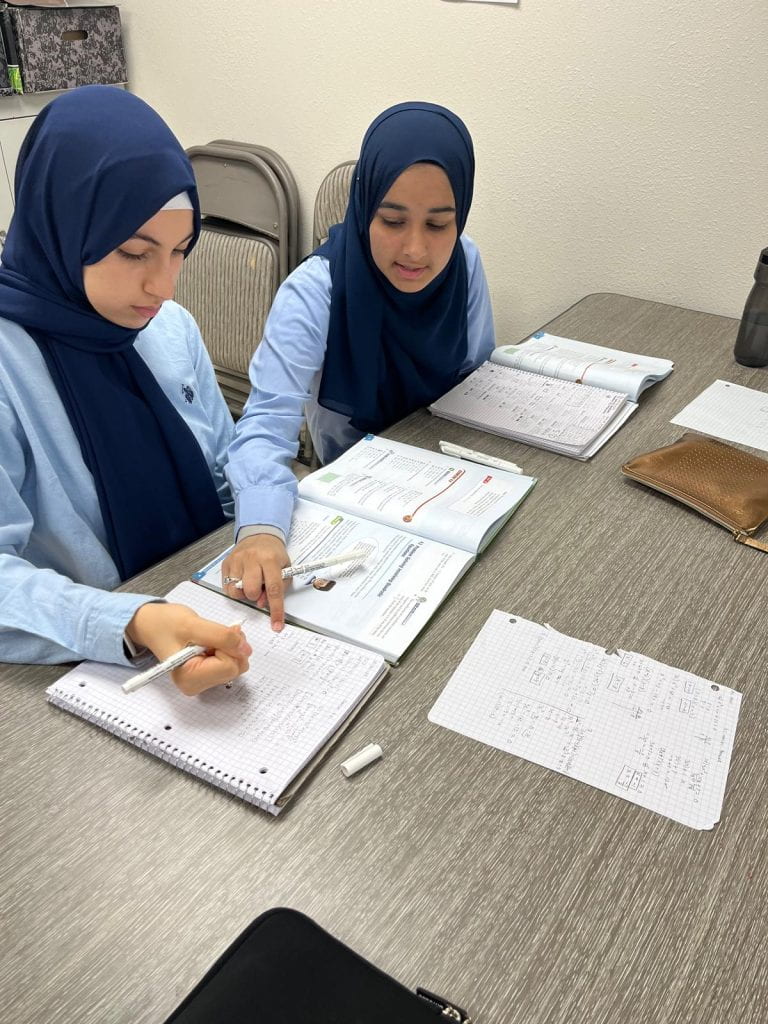

Grade 10 students continued the study of polynomial: they used synthetic division to identify the zeros of polynomial functions, understood the relationship between the coefficients and the degree of a function and its roots, and graphed transformations of polynomial functions from their parent functions. Students then moved on to exploring rational functions, they learned to identify the asymptotes of rational functions, which aids them in graphing the functions. They recalled how to add, subtract, multiply, and divide rational expressions and applied these skills to solve rational equations. As a part of studying rational functions and expressions , a collaboration between 10th graders and 8th graders took place, where each class created their own expression and the other class had to simplify it meticulously, using factorization methods they learned.



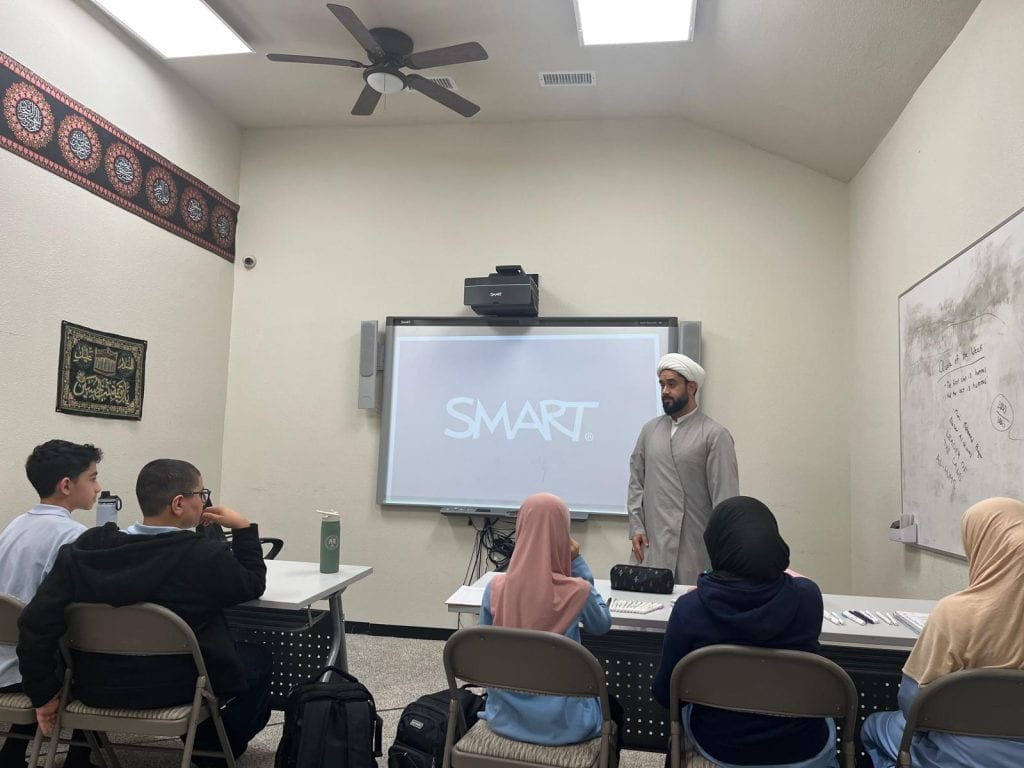
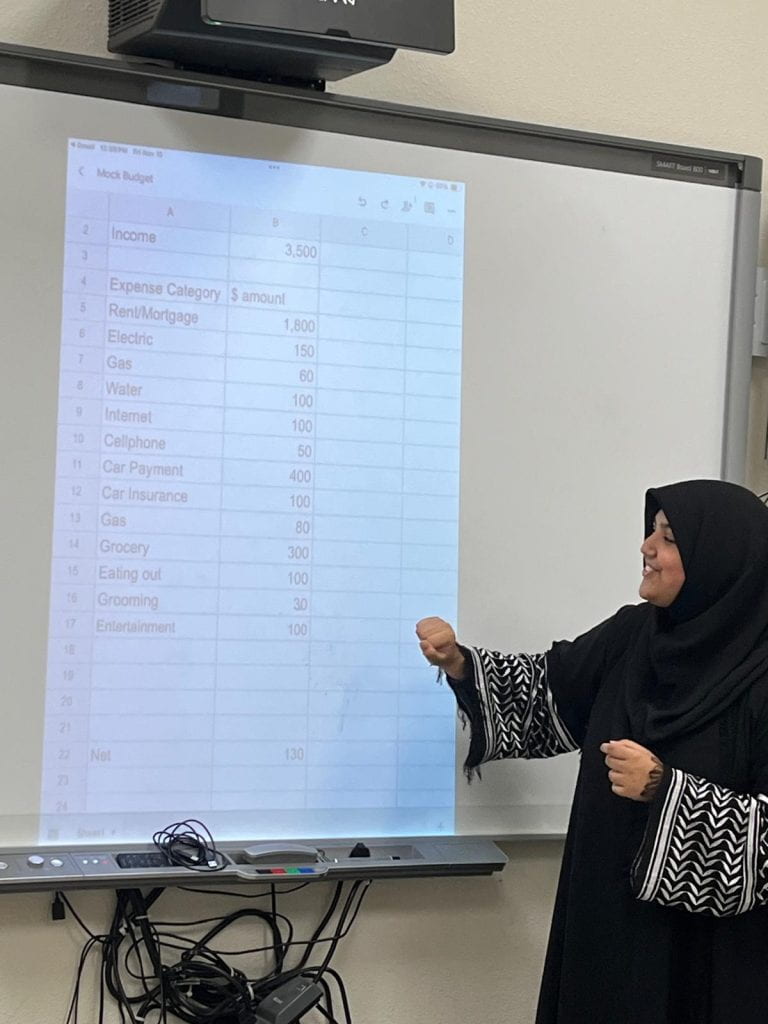
Grade 6 Life Skills Class: in Life Skills our 6th graders started a unit on Consumer Management, we were glad to have Sr Marzia share her knowledge in Budgeting. Student were given the opportunity to do a real-world mock budget using the average salary of their chosen profession. Students also learned a lot from Shaykh Al-Saadi when they addressed the topic of recognizing influences on consumers’ decisions, including advertisements and psychology behind stores to encourage spending more.




In December, Grade 10 students started learning about radical functions, they used n-th roots and properties of radicals to rewrite expressions. They applied this knowledge to rewrite functions in order to graph them, and to isolate the variable when solving radical equations. And lastly students practiced how to combine functions using operations and compositions of functions.
Grade 8 students started a new topic on congruence and similarity, and explored their connection to geometric transformations. They understood and applied the idea of congruence, drew the image of a plane figure under a reflection, a translation, or a rotation with and without the coordinate grid. After that they established the knowledge in similarity properties and applied them to solve problems, then learned how to construct similar figures under dilation.
Grade 6 students applied what they know about unit rates to solve problems involving speed, distance and time. Students were later introduced to percents: they learned how to convert fractions and decimals to percents and vice versa; found percentages of quantities; and found a quantity given its percentage.


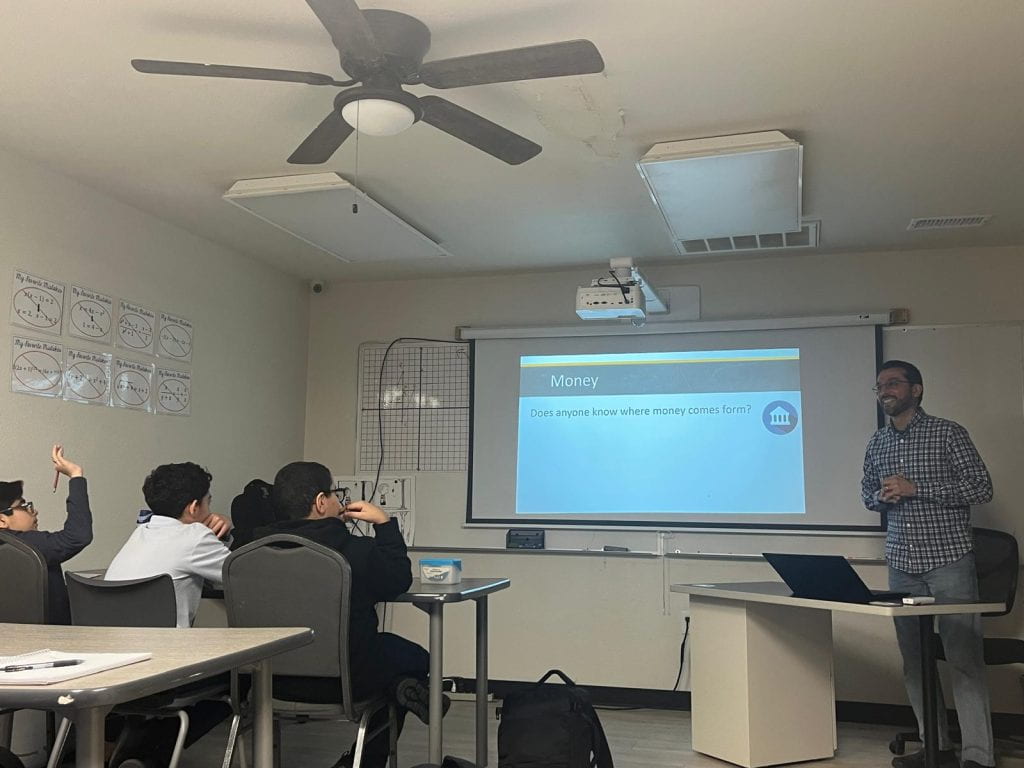
In December, Grade 6 Life Skills Class: Our class had the pleasure of having Br Faisal Rajani as a guest speaker, addressing an introductory to financial literacy. They developed an understanding of the idea of money, basic banking, credit, loans and interest.


By Mrs. Malak Charara, Science and Electives Teacher:
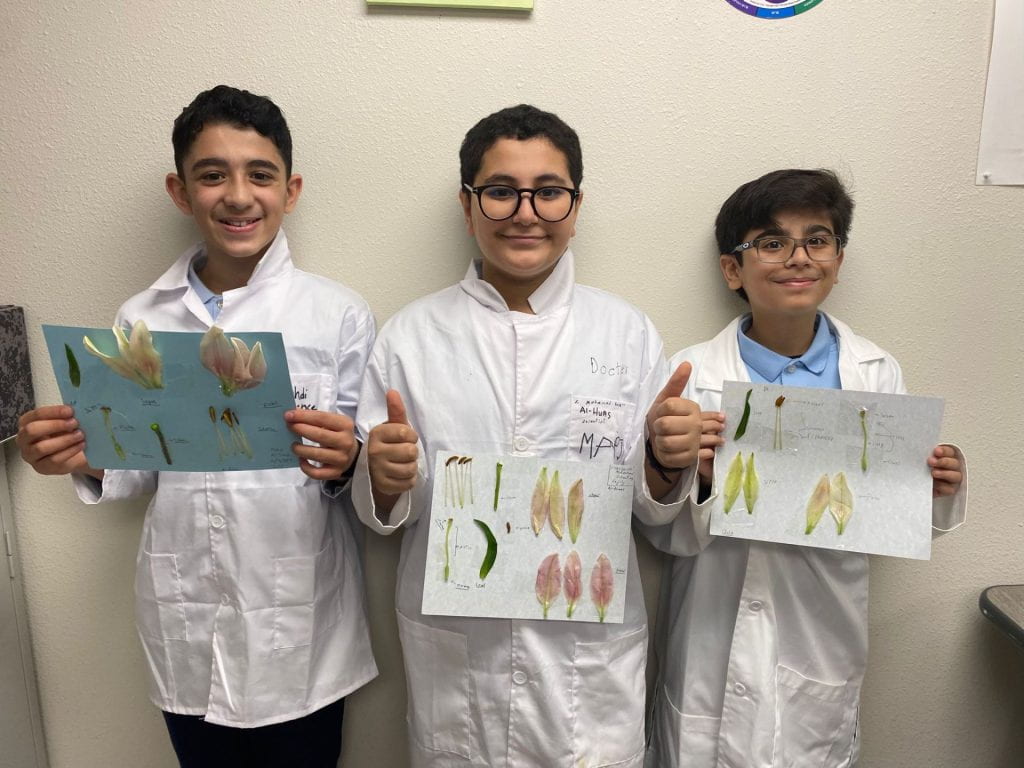
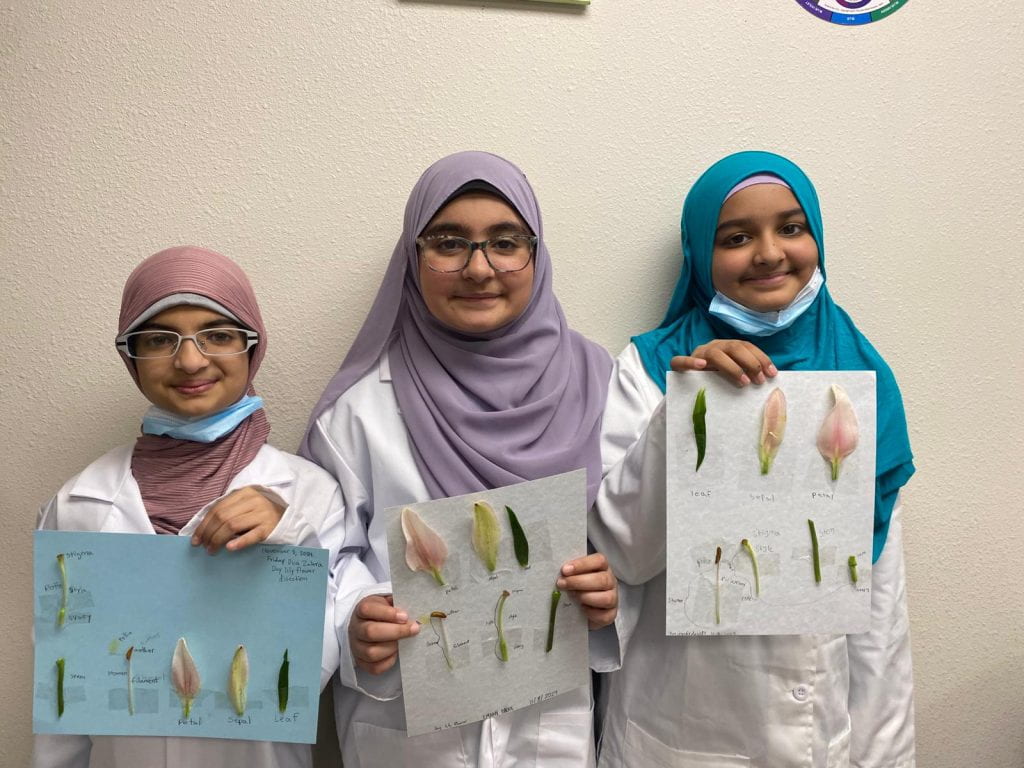
Grade 6 students moved on to studying plants and how they meet their needs and perform their functions as living organisms. Therefore, they learned about the making of a new plant through pollination and fertilization and how seeds disperse from one place to the other.

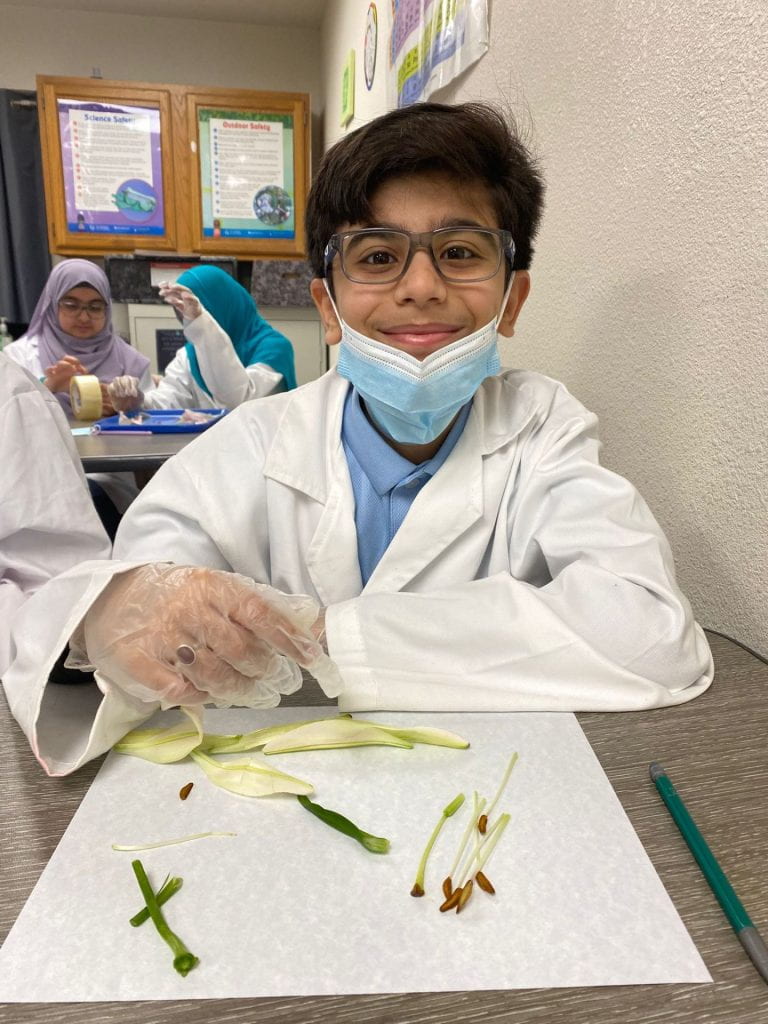


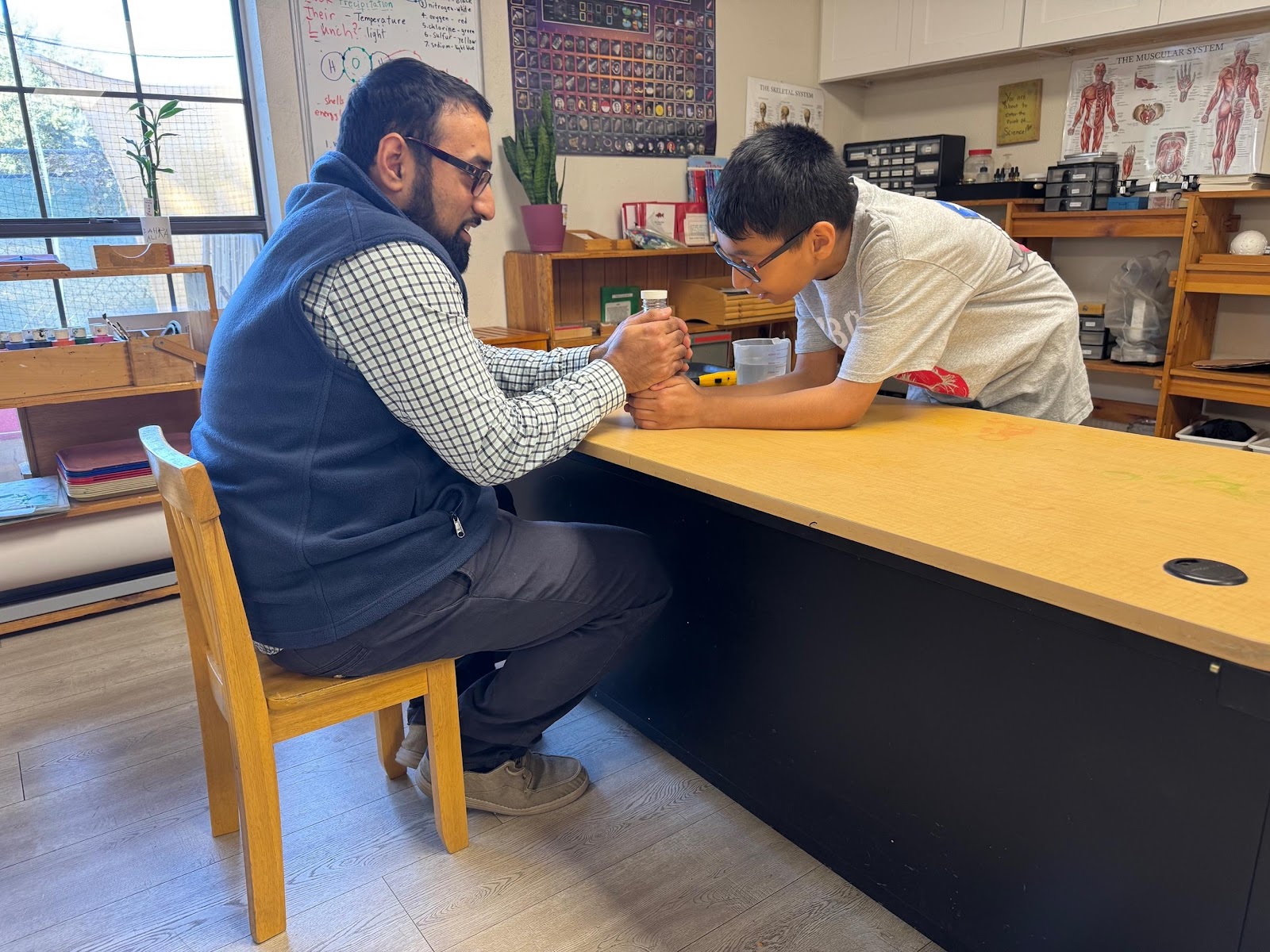
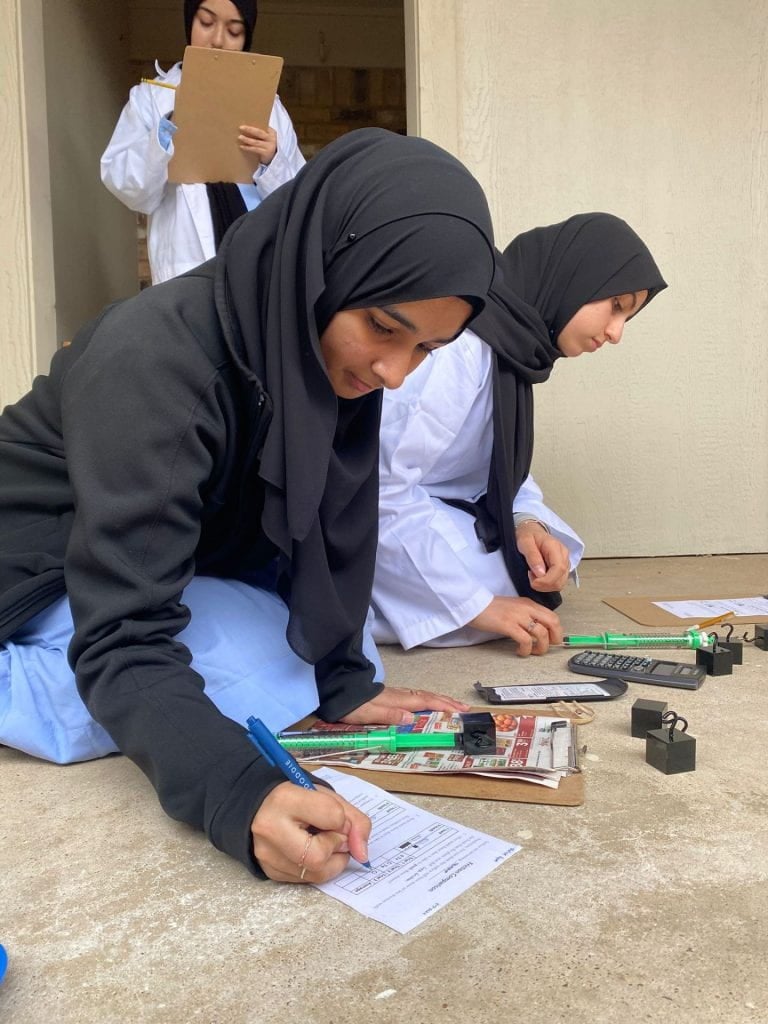
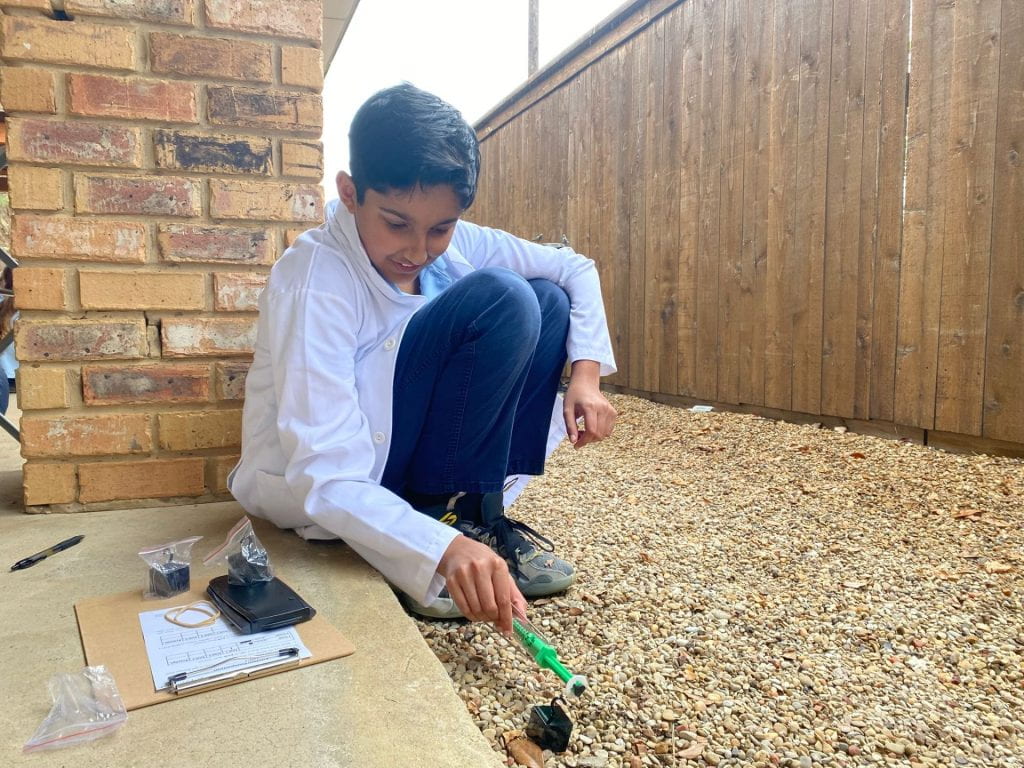
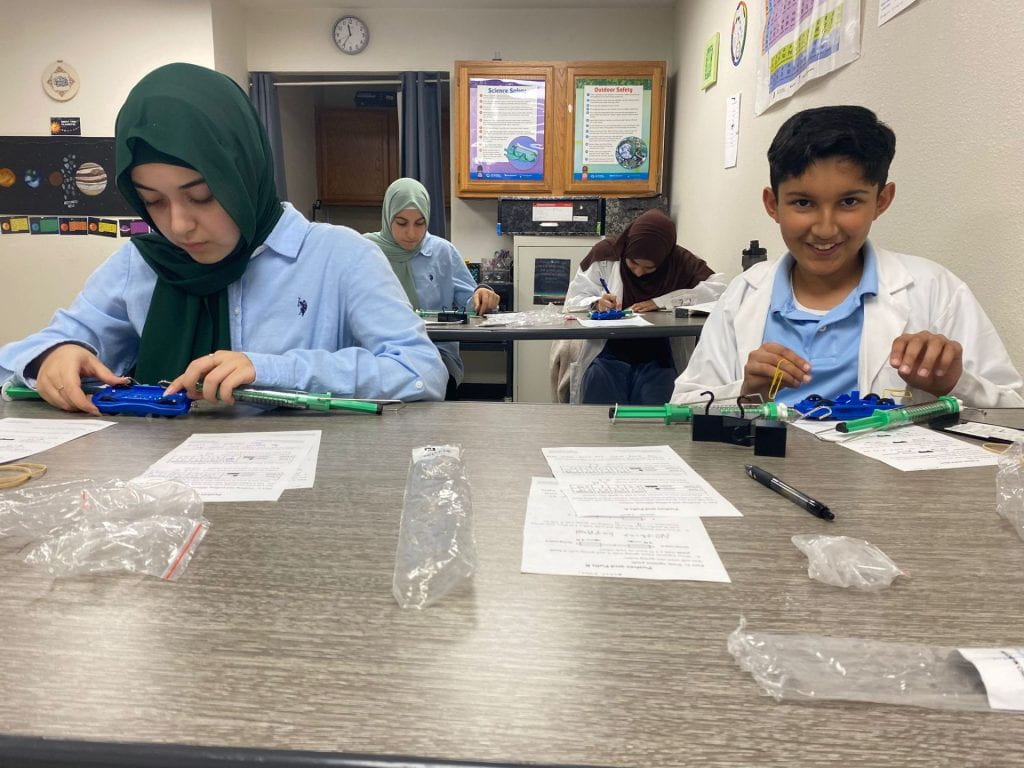
Grade 8 students concluded their investigation of planetary science by learning how light properties like brightness and color help astronomers study faraway celestial objects. Therefore, they were introduced to the electromagnetic spectrum and its characteristics. They moved on to explore new topics in basic physics like types of forces, how they were discovered and were introduced to Newton’s three laws of motion. Students learned how to calculate the net forces acting upon an object and whether those forces are visible or not. They moved on exploring the concept of magnetism as one of the invisible forces and how it helps us in our everyday life.
In their elective yearbook class, grade 8 students further practiced applying what they’ve learned about design and writing captions and descriptions into some yearbook events’ templates.

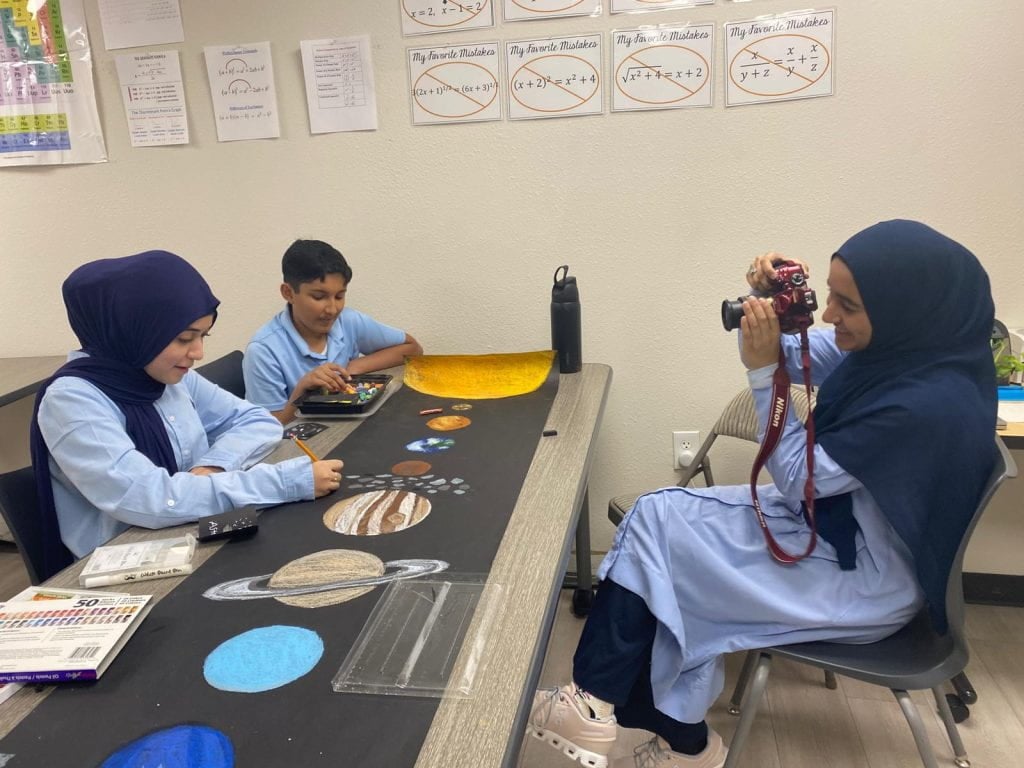
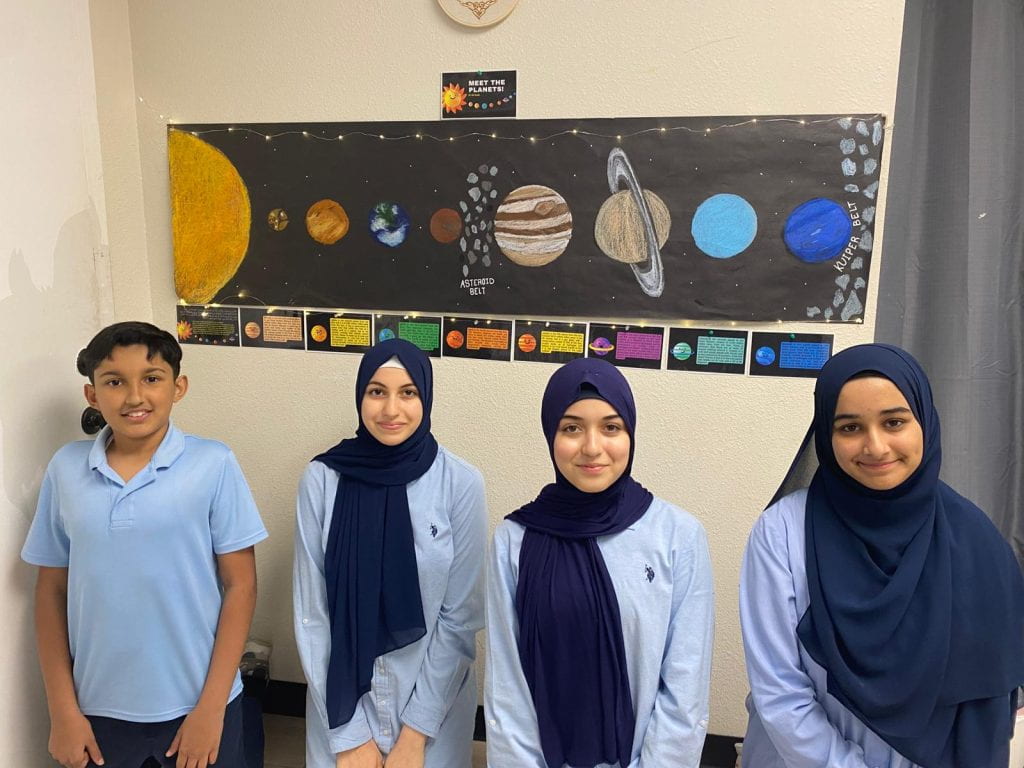
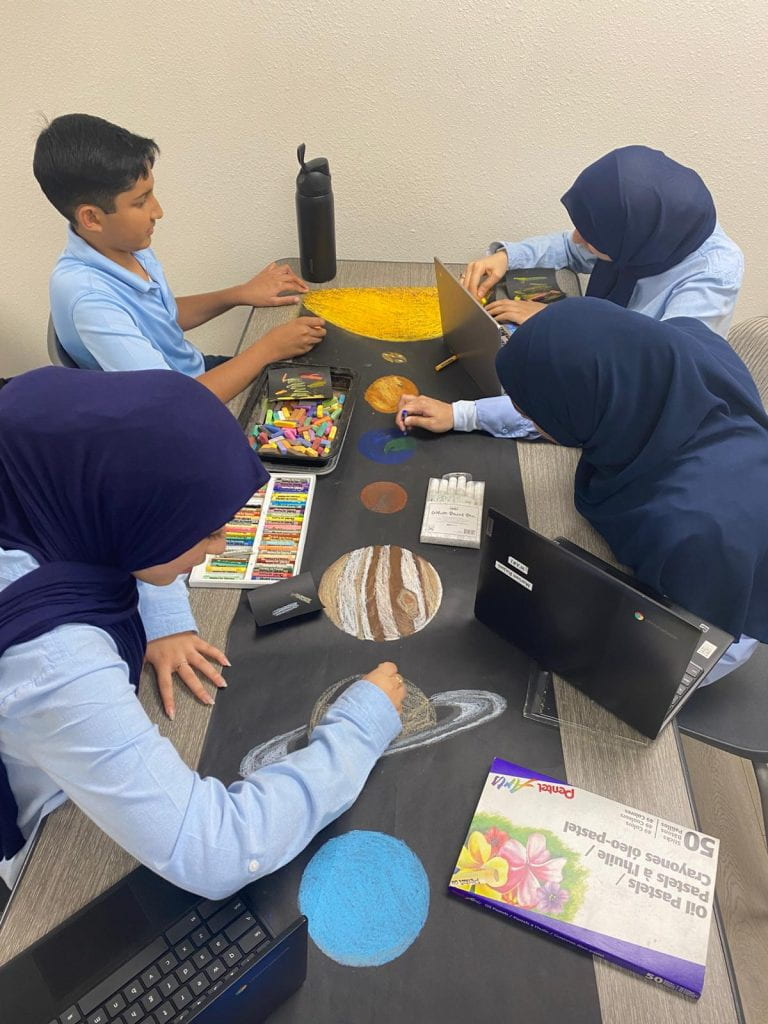
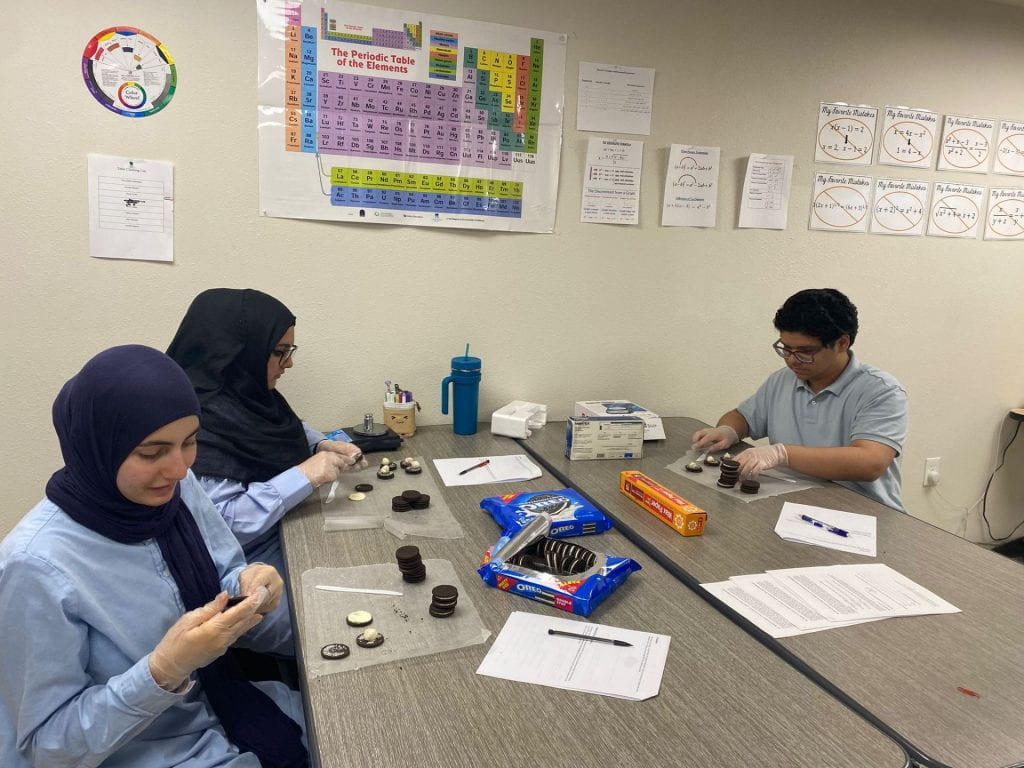
Grade 10 students concluded their studies of Unit 4 where they learned about the role of cells, focusing on how cells use energy and information transmission to communicate and replicate through systems of complex transduction pathways. They also learned that cells need to respond to their environment to maintain homeostasis and that they can also replicate and regulate replication as part of the cell cycle that provides for the continuity of life. Besides, students were introduced to calculating the standard deviation and error of a set of data as they will need this skill for upcoming analytical tests.


By Br. Yusuf Ali, English, History, and Social Studies Teacher:
10th Grade History students created skits and recorded them to bring alive events such as the American Civil War. 10th Grade English students continued to read, The Autobiography of Malcolm X. Students in 6th and 8th Grade English read the book, Peace be Upon Ibrahim, and they are working on their literary analysis.

January 2025
Friday Jan 10th, Half Day – Father’s Day
Saturday Jan 11th, Parent Ed Session
Alhamdulillah! We thank the parents, families, and community for their continuing support and encouragement. If you have any questions, comments, or ideas, we would love to hear from you! Please leave your comments!